



With the right care, a solid wood kitchen worktop can easily last for decades. This guide offers practical advice and straightforward routines for keeping your timber surfaces clean, well-oiled, and looking their best, along with tips on how to restore them if damage occurs.
Why Do Wooden Worktops Need Regular Maintenance?
Solid wood brings unmatched warmth, character, and texture to any interior. Because timber is a natural, porous material, it expands and contracts in response to shifts in humidity and ambient temperature. Routine upkeep preserves its water resistance, prevents staining, and brings out the wood’s natural grain. As detailed in our guide on the importance of regular maintenance for glued laminated timber surfaces, proper sealing is also vital for preventing timber from warping, shrinking, or splitting.
Dense hardwoods such as oak—boasting a Janka hardness rating of around 1,360 lbf and a density of approximately 631 kg/m³—withstand everyday wear and tear remarkably well. Even so, they still require an intact protective coat to stop liquids from soaking deep into the grain. When evaluating the pros and cons of wooden worktops, one of their clear strengths is how easily minor surface imperfections can be sanded out and refreshed right at home.
Oiled vs Lacquered Finishes: Key Care Differences
Before tackling any maintenance, make sure you know what type of finish protects your worktop, as their upkeep requirements differ fundamentally:
- Oiled finish: Wood oil soaks deep into the grain while leaving the pores open so the timber can breathe. An oiled wooden worktop needs to be re-oiled every 3 to 6 months to maintain reliable water repellency.
- Lacquered finish: Lacquer forms a hard, impermeable film over the surface. Because of this sealed barrier, a lacquered wooden worktop does not need ongoing oiling. Instead, it usually only needs refinishing after 5 to 10 years, which involves stripping back the old coat and applying fresh lacquer.
To explore this topic in greater depth, see our comparison on the differences between oiled and lacquered finishes.
Daily Care and Everyday Safety Tips
When it comes to day-to-day worktop care, a simple rule applies: minimise standing water and steer clear of harsh chemicals.
- Wipe up spills and food residue immediately before liquids have a chance to penetrate the grain.
- Clean surfaces using warm water, a soft microfibre cloth, and a gentle, pH-neutral soap.
- Avoid abrasive scouring powders, acidic cleaners (such as undiluted vinegar or lemon juice), and aggressive kitchen degreasers.
- Always use a chopping board rather than preparing food directly on the wood.
- Never place hot cookware directly onto the surface. Always set hot pots and pans on trivets or heat pads, as direct heat can leave stubborn white rings and scorch the protective finish.
If you are currently renovating or planning an upgrade, our step-by-step guide to wooden worktop installation outlines the proper fitting methods.
Periodic Maintenance and the Water Droplet Test
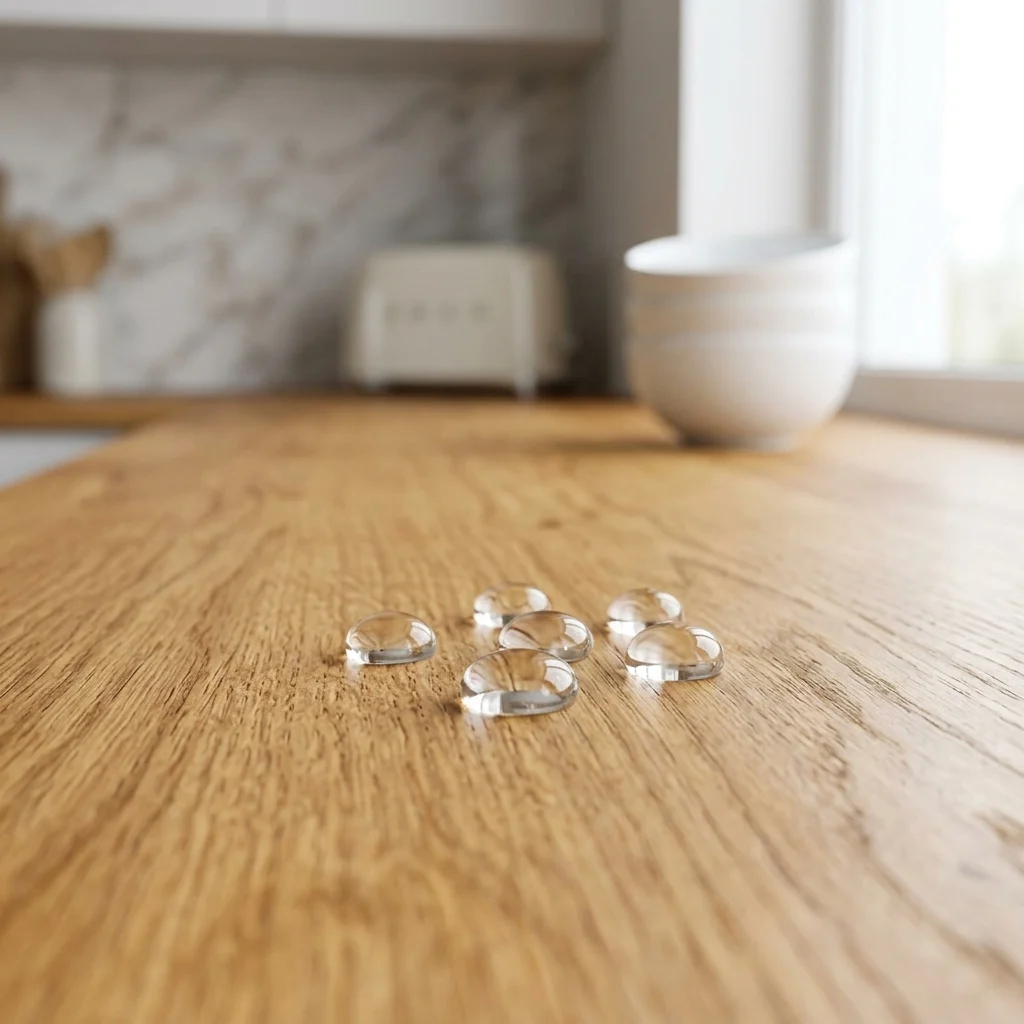
To check whether your oak kitchen worktop is due for a fresh coat of oil, try the water droplet test: flick a few drops of water onto the surface. If the water beads cleanly, your protective seal is doing its job. If the droplets flatten out or begin soaking into the grain, it is time to clean and re-oil the surface.
How to Oil a Wooden Worktop
- Clean the worktop thoroughly to remove dirt and grease, then let it dry completely.
- If the surface feels rough, sand it lightly along the grain using fine sandpaper (grit P220–P320).
- Apply a thin, even coat of wood oil along the grain using a lint-free cloth or a natural-bristle brush.
- Allow the oil to absorb for 15 to 30 minutes, then wipe off any excess with a clean, dry cloth.
- Let the finish cure undisturbed for at least 12 to 24 hours before setting items back on the counter.
For a detailed walkthrough on prepping and sealing new timber, consult our in-depth oak worktop care guide.

Repairing Damage and Restoring Surfaces
One of the greatest advantages of solid timber is that most everyday marks and mishaps can be resolved without calling in a specialist:
- Surface scratches: Sand gently along the grain with fine-grit sandpaper (P220–P320), wipe away the dust, and rub in a fresh layer of maintenance oil.
- Water rings and dark stains: Lightly sand the discoloured area. For stubborn marks, apply a paste of baking soda and water to lift the stain. Once clean and dry, reapply oil.
- Grease and food stains: Gently scour the mark using a damp sponge dipped in table salt, or sprinkle baking soda over the area to draw out trapped oils.
- Scorch marks: Carefully sand out the burn with medium-grit paper (P60–P100), feather the edges using fine sandpaper (P220), and build up fresh coats of oil until the spot blends seamlessly with the surrounding timber.
- Gouges and small cracks: Fill the void with a matching wood filler, sand it flush once cured, and seal the patch with your chosen oil.
Safety Precautions and Maintenance Products
Keep these essential safety practices in mind whenever applying oils and refinishing products:
- Spontaneous combustion hazard: Rags and cloths soaked in drying oils can self-ignite as they cure and release heat. Always soak used rags thoroughly in water or seal them inside an airtight metal tin immediately after use.
- Ventilation: Ensure plenty of fresh air circulation whenever working with finishing products.
- Food safety: For surfaces used in food preparation, make sure you choose plant-based, food-contact-certified oils or dedicated food-safe wood finishes.
Caring for Dining Tables and Coffee Tables
The same principles that keep kitchen worktops pristine apply to other solid timber furniture. Solid oak dining tables and coffee tables also benefit from mindful daily cleaning and periodic conditioning.
For tailored advice, explore our guides on solid wood dining table care and cleaning and best practices for solid wood coffee table maintenance.
Looking for a handcrafted centrepiece for your home? Browse the curated selections in our dining tables collection.
-
-
-40%
Select options This product has multiple variants. The options may be chosen on the product page
- Dining Tables
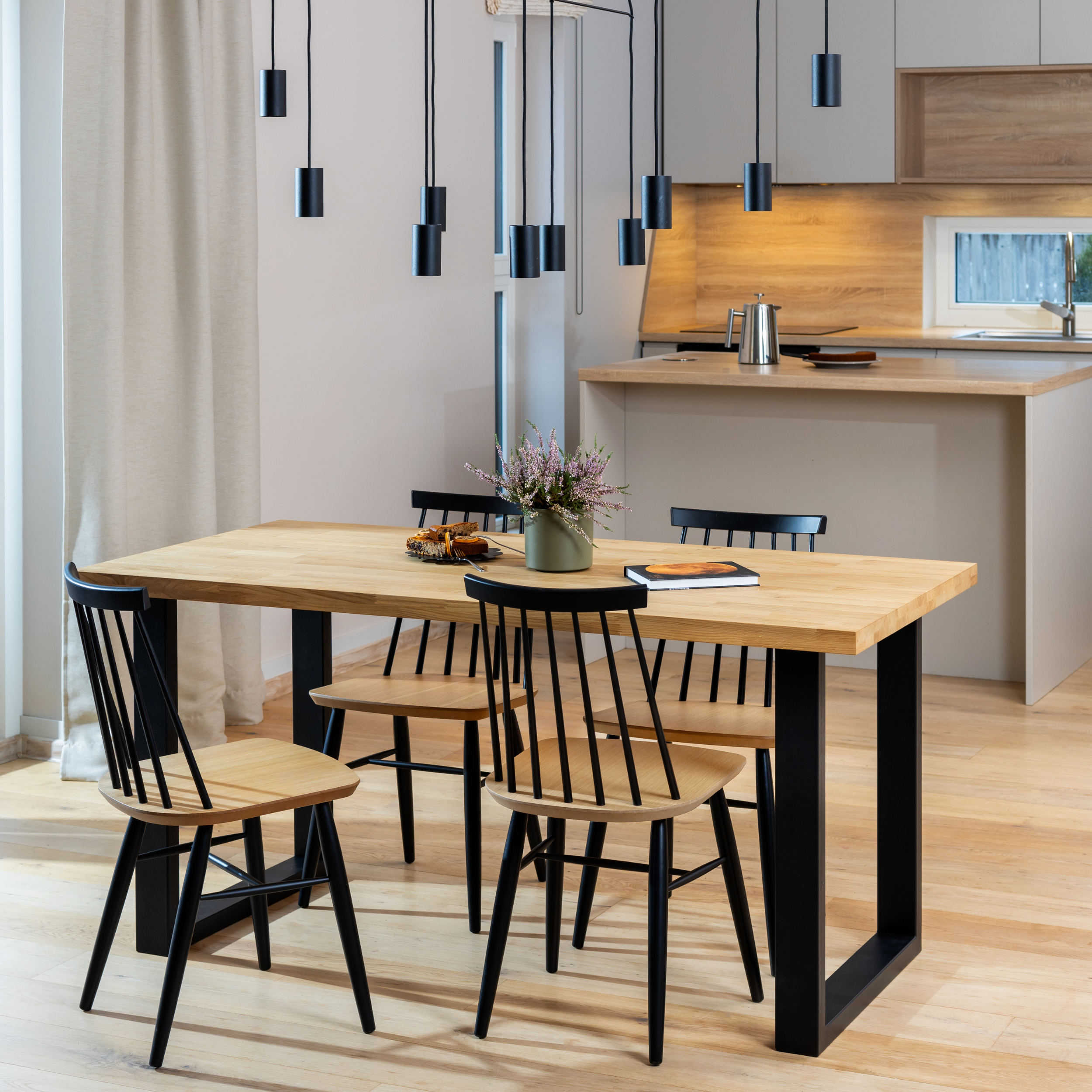
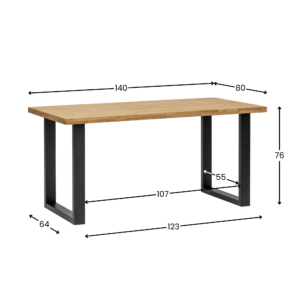
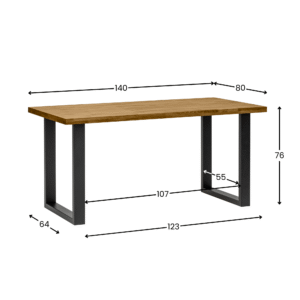
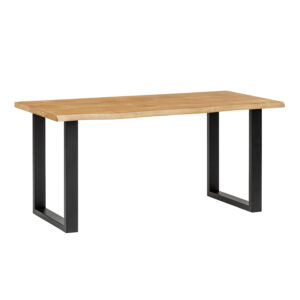
Dining Table LIIV
- Price range: 372.60€ through 399.60€
-
-

-
-
-
-
-40%
-
-
-40%
Select options This product has multiple variants. The options may be chosen on the product page

- Dining Tables
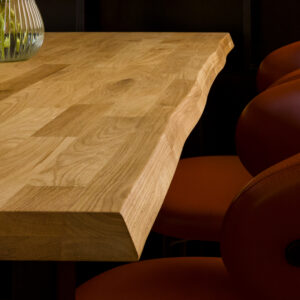
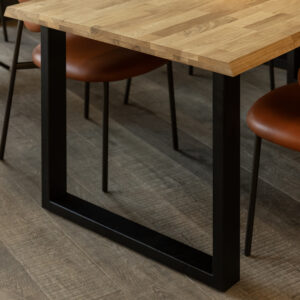
Dining Table MERI
- Price range: 372.60€ through 399.60€
-
-
-
-
-
-
-40%
-
-
-40%
Select options This product has multiple variants. The options may be chosen on the product page

- Dining Tables
Dining Table PÄRL
- Original price was: 559.00€.335.40€Current price is: 335.40€.
-
-

-
-
-
-
-40%
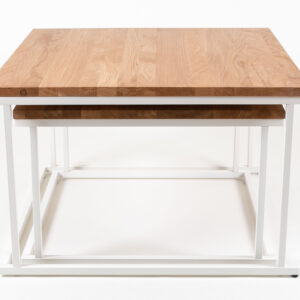
To bring natural warmth and craftsmanship into your living space, take a look at our coffee tables.
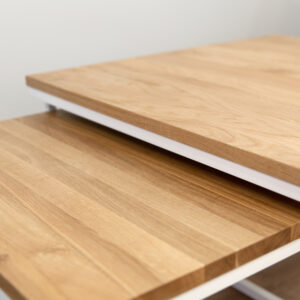
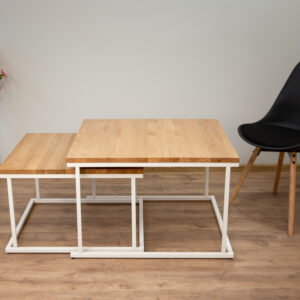
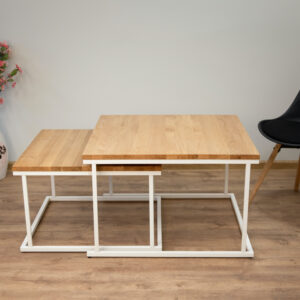



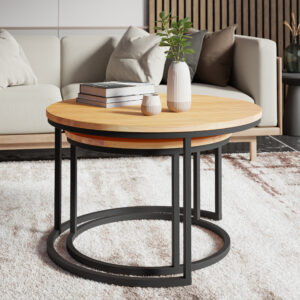

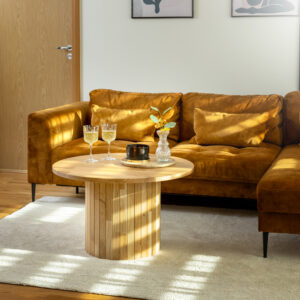
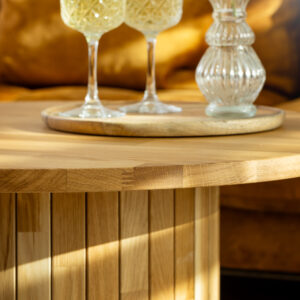
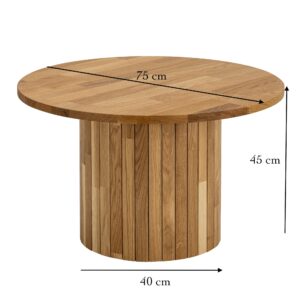
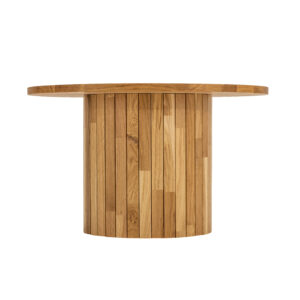
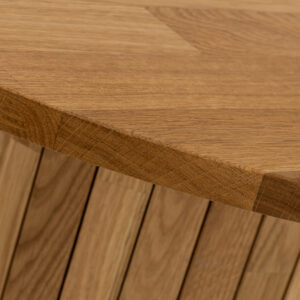

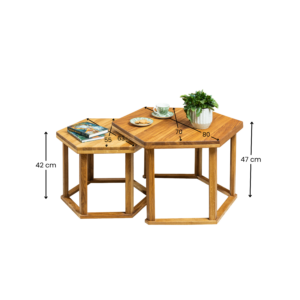
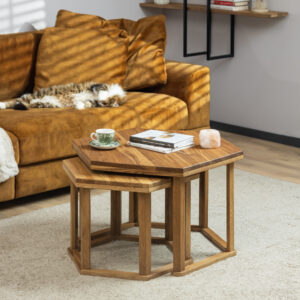
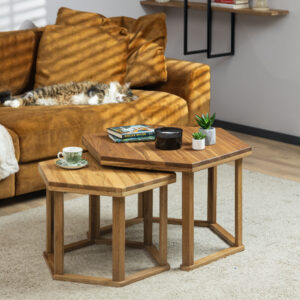
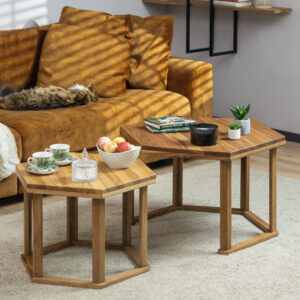
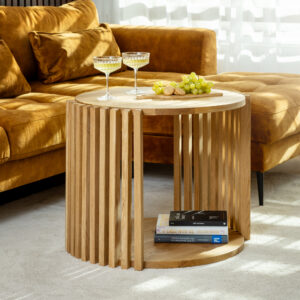
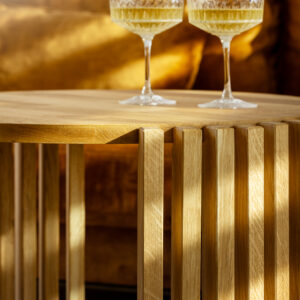
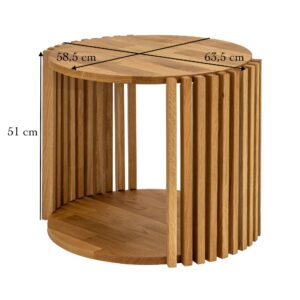
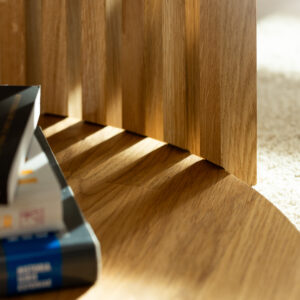
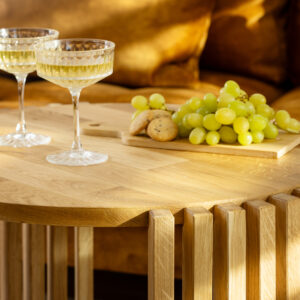
A well-cared-for, regularly oiled wooden surface only gets better with time, developing a deep, characterful patina. With these simple habits, you can keep your solid wood surfaces resilient, radiant, and functional for generations to come.