



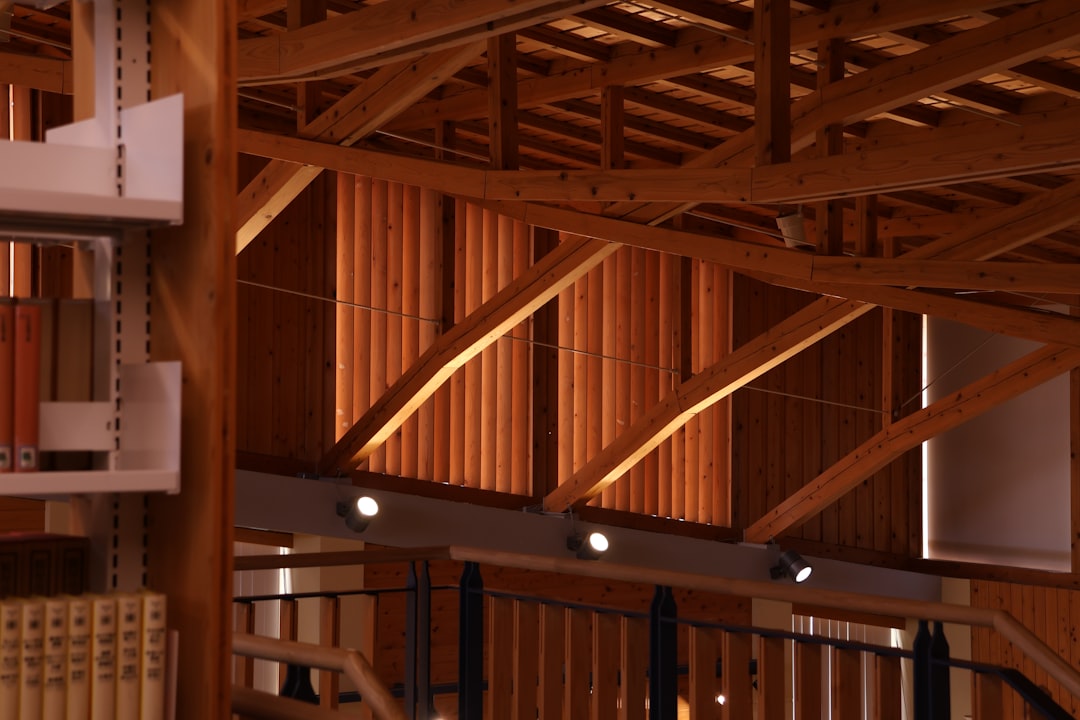
Wood materials are among the most demanded and versatile materials in the Estonian construction sector. Today, alongside solid wood, glulam has increasingly emerged, offering certain advantages over traditional wood. Which one should you choose for your project? What are the most important differences between these materials and how are they produced?
Solid Wood vs Glulam: Main Differences
Solid wood is material sawn and processed directly from logs, preserving the natural structure and appearance of the wood. Glulam, on the other hand, is an engineered wood product made from multiple wood lamellae glued together.
Advantages of Solid Wood
Solid wood products have been valued for centuries, and for good reason. Solid wood offers:
- Natural and authentic appearance
- Easy workability on construction sites
- Simple restoration possibilities
- Environmentally friendly production process
- Timeless aesthetic value
Solid wood furniture is strong and durable, lasts for generations, and is especially suitable for homes with children, as even if the surface gets damaged, it can be easily restored. It also has a unique characteristic – each piece of wood is unique due to its pattern.
Advantages of Glulam
Glulam as a modern construction material offers the following advantages:
- Greater strength and stability
- Lower weight compared to steel of equivalent strength
- Possibility to produce elements with larger dimensions
- Versatile design possibilities
- Better moisture resistance
Studies by the Estonian University of Life Sciences have shown that glulam is only about 2.7% more expensive than steel structures in construction, but 16.8% lighter than steel in roof structures, proving the material’s competitiveness in the construction market.
Glulam Production Technologies
Two main types of technology are used in glulam production: finger-jointed glulam and full-lamella glulam.
Finger-Jointed Glulam
In finger-jointed glulam, shorter pieces of wood are joined using a special finger-jointing method to form longer lamellae. This allows:
- Less material consumption and more efficient resource use
- Longer wooden parts than would be possible from a single log
- Removal of wood defects (knots, cracks)
Finger-jointing is particularly valuable in creating large structures where long and strong elements are needed. This technology also allows for more efficient use of wood, as joining smaller pieces reduces waste.
Full-Lamella Glulam
Full-lamella glulam consists of lamellae cut from a single piece that have not been joined. This type of glulam:
- Offers a more uniform appearance
- Has greater aesthetic value in visible structures
- Is particularly suitable for architectural solutions where the appearance of wood is important
Full-lamella glulam is often preferred in visible locations where aesthetic appearance is important, such as in interior design or architecturally significant elements.
Strength Classes and Technical Properties
Glulam strength classes are standardized, which simplifies the work of designers and ensures the reliability of materials.
Glulam Strength Classes
- GL24 – standard strength class, suitable for most conventional building structures
- GL28 – medium strength class, used in more complex structures
- GL32 – high strength class, achievable through good sorting
- GL36 – very high strength class, used in structures with special requirements
According to Puuinfo, it is also possible to produce combined glulam (multi glued laminated timber), which is up to 50% stronger than regular glulam, although its price is only about 5% higher.

Laminated Veneer Lumber (LVL) is also a material with high strength and light self-weight, where the impact of wood defects is minimized thanks to the special production process. This makes LVL an ideal material for more demanding structures.
Applications and Uses
Both solid wood and glulam are suitable for various applications, but their properties make them more suitable for certain uses.
Typical Uses of Solid Wood
Typical uses of solid wood include:
- Traditional wooden structures
- Furniture manufacturing (beds, cabinets, tables)
- Interior finishing
- Smaller construction elements
- Restoration projects
Solid wood furniture is an investment that, with proper care, will last for decades. In addition, it is easily restorable, meaning that changes in style preferences may not necessitate replacing all furniture.
Typical Uses of Glulam
Typical uses of glulam are:
- Large load-bearing structures (beams, posts)
- Bridge construction
- Roof supports
- Industrial building structures
- Sports facilities and swimming pools
According to Puumarket, glulam beams up to 13.5 meters long are available in Estonia, allowing the creation of spacious rooms without intermediate supports. In Finland, glulam cladding boards about 300mm wide are even used in residential construction, demonstrating the versatility of the material.

Limitations in Various Structures
Although both solid wood and glulam are versatile materials, both have certain limitations.
Limitations of Solid Wood
When working with solid wood, the following limitations must be considered:
- Limited dimensions (dependent on tree trunk size)
- Greater sensitivity to moisture and temperature changes
- Uneven strength (dependent on the natural properties of the wood)
- Risk of cracking and expansion
- Lower fire resistance
However, these limitations can often be mitigated with proper processing methods and protective measures.
Limitations of Glulam
When using glulam, the following factors must be considered:
- Higher initial cost compared to solid wood
- Requires a special production process
- Quality of glue joints must be ensured
- More complex connection nodes
- Requires careful design
Despite the higher initial cost, glulam often pays for itself in the long term, especially in large structures.
Riverbank OÜ’s Selection of Glulam Products
Riverbank OÜ specializes in the production of high-quality glulam products, offering solutions for architects, builders, and end users.
Material Selection
Our product range includes:
- Birch glulam (both finger-jointed and full-lamella)
- Oak glulam (both finger-jointed and full-lamella)
- Solid wood products (pine, birch, oak)
All materials used are high-quality and safe, ensuring the durability and aesthetic appearance of the finished products.
Dimensions of Glulam Panels
Riverbank OÜ can manufacture panels with the following dimensions:
- Length: maximum 4000mm
- Width: maximum 1300mm
- Thickness: 15-50mm
We have the most extensive production experience in manufacturing 15-50mm thick glulam panels. Our modern technology allows us to produce glulam panels for even the most demanding clients.
Order Options
We are ready to produce glulam panels according to clients’ exact wishes, offering a flexible and diverse product range. Our production line is equipped with high-tech equipment, and our employees have high qualifications and long-term work experience in wood processing and wood product manufacturing.
Additional information about prices, possibilities, and delivery can be requested by phone at +372 509 9151.
Choosing the Right Material
When choosing between solid wood and glulam, one should consider the specific project and needs. Glulam is particularly well-suited for large structures where long, strong, and stable elements are needed, while solid wood offers natural beauty and a more traditional appearance.
Both materials have their advantages and limitations, but when used correctly, they allow for the creation of both functionally and aesthetically outstanding solutions. Riverbank OÜ offers high-quality glulam products that meet the needs of the most demanding clients – feel free to contact us to find the most suitable solution for your project.