



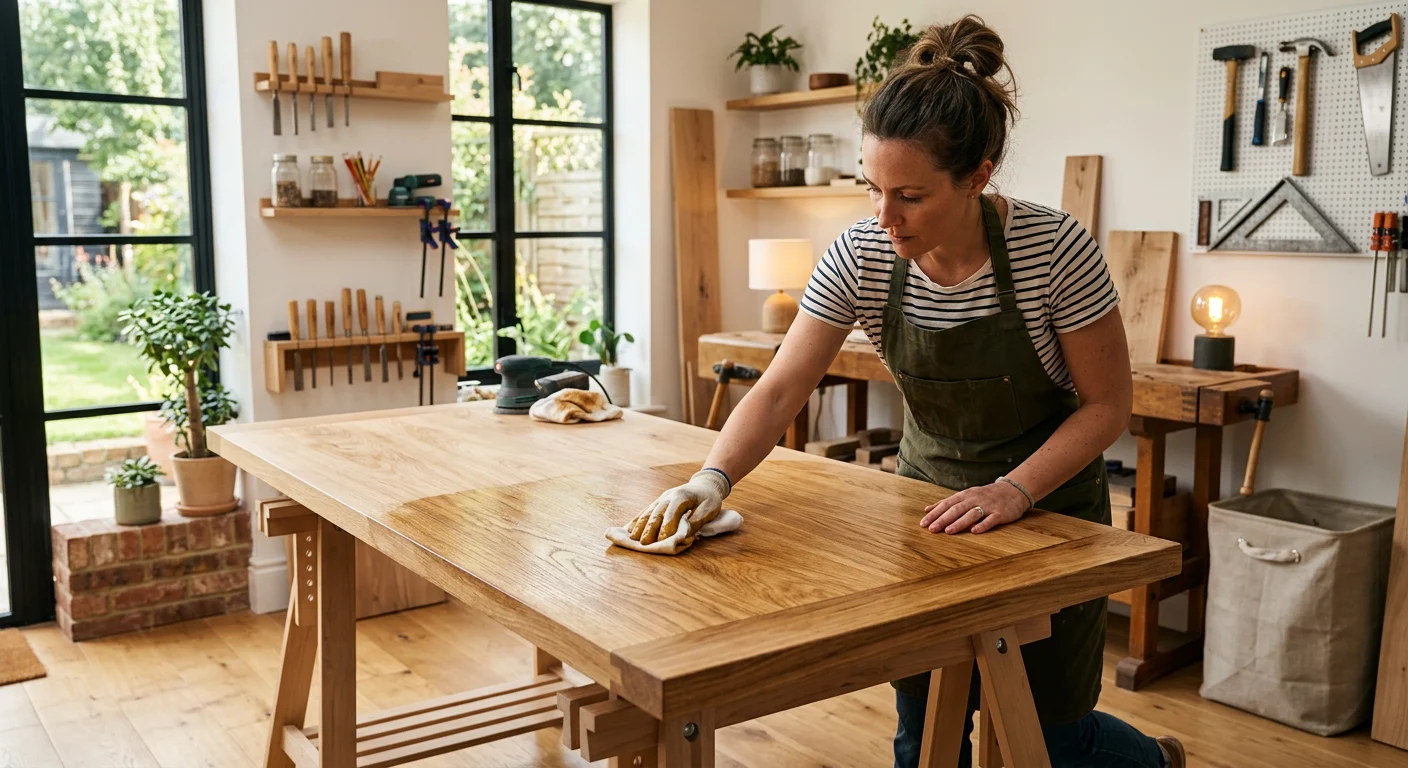
Even the highest-quality glued laminated timber (glulam) can fall victim to warping or surface degradation within a single season if finishing is overlooked. Proper treatment and consistent maintenance are the deciding factors in ensuring structural stability, long-term durability, and a premium aesthetic that matures beautifully over the decades.
Surface Preparation: The Foundation of a Flawless Finish
A professional-grade finish begins long before the first coat of oil or lacquer is applied. At Riverbank, we typically supply timber with an optimal moisture content of 8% (±2%)—the ideal baseline for maintaining material stability in climate-controlled indoor environments.
Before applying any protective product, the surface must undergo progressive sanding. This involves moving systematically through grit levels—typically starting at P80 and finishing at P240. It is vital to sand exclusively along the wood grain; cross-grain sanding creates micro-scratches that become glaringly obvious once a finish is applied. Never skip grit levels, as this results in an uneven surface texture that is difficult to correct later. Once sanding is complete, ensure every trace of dust is removed using a vacuum or a microfiber cloth. For a deeper look at material selection, see our guide on quality indicators for glued laminated timber.
Choosing Your Finish: The Organic Depth of Oil vs. The Resilient Shield of Lacquer
The choice of finish should be dictated by your specific aesthetic goals and the intended use of the surface.
Oiling remains a premier choice for those looking to accentuate the natural character and warmth of the wood. Oil penetrates deep into the fibers, highlighting the unique features of oak and birch processing methods. While an oiled surface feels natural to the touch and allows the wood to “breathe,” it does require more frequent maintenance to ensure the protective barrier remains intact.
Lacquering, by contrast, creates a hard, hermetic seal that offers superior resistance to moisture, heat, and staining. This is the most practical choice for high-traffic areas. For instance, a lacquered wood countertop is significantly easier to maintain daily than its oiled counterpart, though spot repairs to lacquer can be more complex. If you are debating between these two for a dining surface, we recommend our comparison of oiled vs. lacquered dining tables.
-
-
-40%
Select options This product has multiple variants. The options may be chosen on the product page
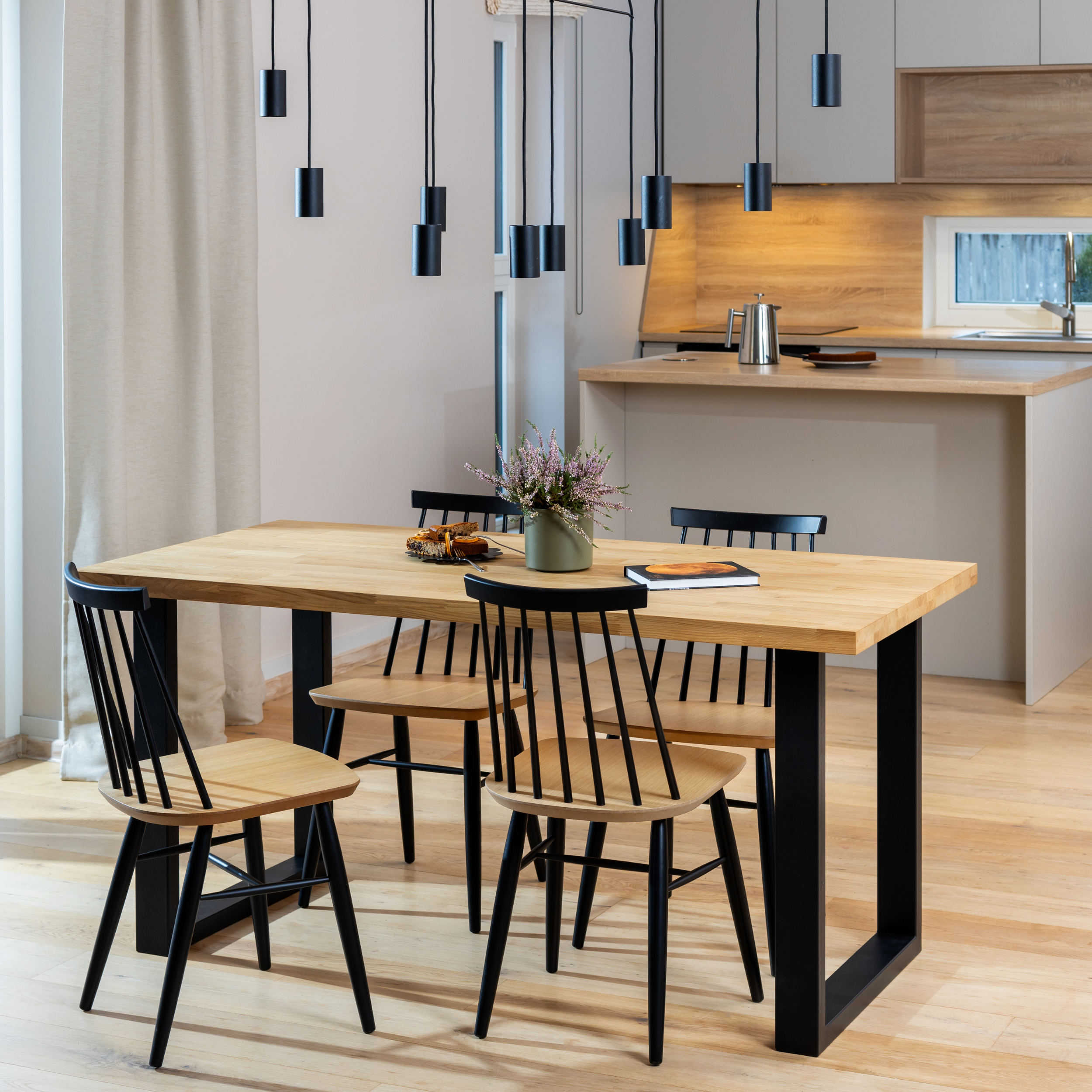
- Dining Tables
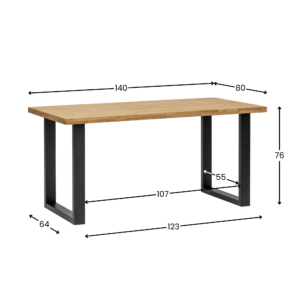
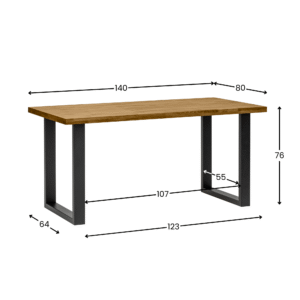
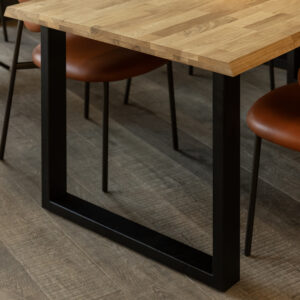
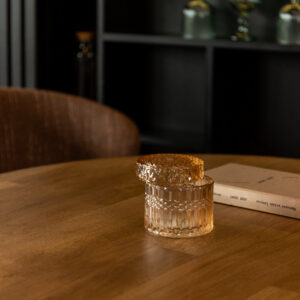
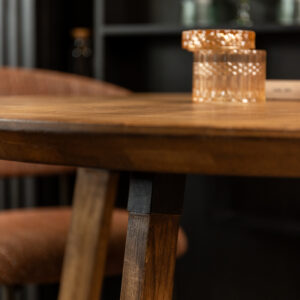
Dining Table LIIV
- Price range: 372.60€ through 399.60€
-
-
-
-
-
-
-40%
-
-
-40%
Select options This product has multiple variants. The options may be chosen on the product page
- Dining Tables
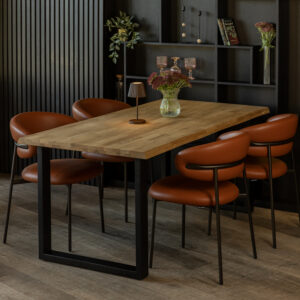
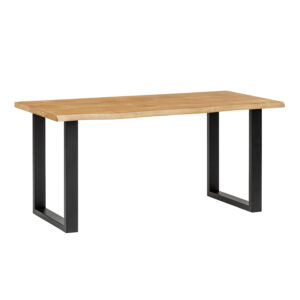
Dining Table MERI
- Price range: 372.60€ through 399.60€
-
-
-
-
-
-
-40%
-
-
-40%
Select options This product has multiple variants. The options may be chosen on the product page
- Dining Tables
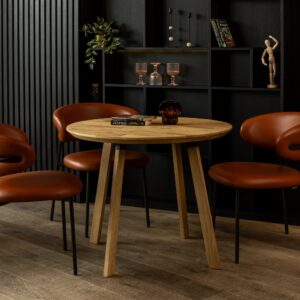
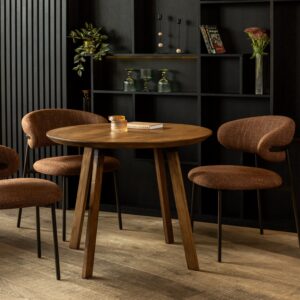
Dining Table PÄRL
- Original price was: 559.00€.335.40€Current price is: 335.40€.
-
-
-
-
-
-
-40%
Moisture Defense: The Critical Importance of Sealing End-Grain
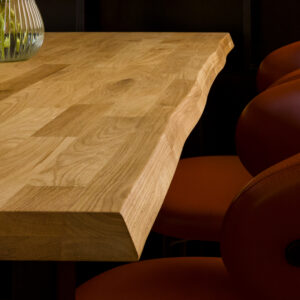
The most vulnerable part of any glulam element is the end-grain (the cross-cut sections). Microscopically, these fibers act like a bundle of straws, absorbing moisture many times faster than the face of the timber. This rapid intake and release of moisture is the leading cause of end-checking (cracking) and the eventual failure of glue joints.
To prevent this, you must seal all end-grain immediately after the timber is cut to size. Use specialized end-grain waxes or apply a double coat of your chosen finishing product. This step is non-negotiable if you want to maintain the moisture resistance of glued laminated timber in bathrooms or kitchen environments. Remember to also treat any internal cutouts for sinks or hardware before the final installation.
Long-Term Care and the Water Drop Test
The secret to glulam’s longevity is consistent, preventative care. The importance of regular maintenance for wood surfaces cannot be overstated; catching wear early prevents expensive repairs.
A simple way to monitor your finish is the “Water Drop Test.” Place a few drops of water on the surface: if the water beads up, your protective layer is performing well. If the water begins to soak in and the wood darkens, it is time for a maintenance coat.
For daily cleaning, stick to a damp cloth and pH-neutral cleaners; aggressive chemicals can strip the finish and damage the wood’s structure. For more detailed care instructions, refer to our wood countertop maintenance guide. Whether you are caring for decorative wall panels or solid wood coffee tables, the same principles apply to keep your interior looking luxurious.
-
-
Select options This product has multiple variants. The options may be chosen on the product page
- Wall panels
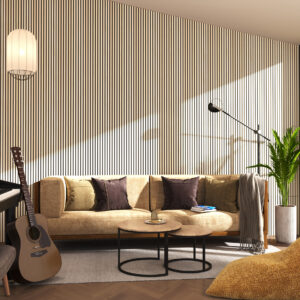
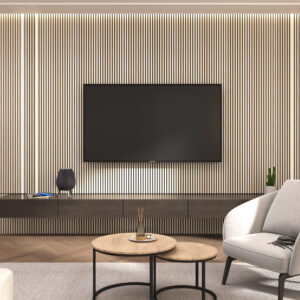
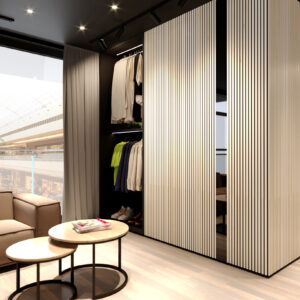
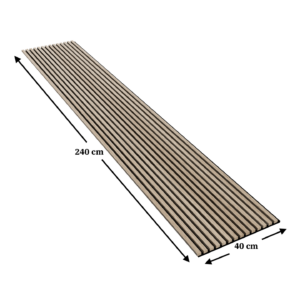
Acoustic wall panel – 18mm slats – 240×40 – natural solid birch
- Price range: 179.00€ through 305.00€
-
-
-
-
-
-
-
-
Select options This product has multiple variants. The options may be chosen on the product page
- Wall panels
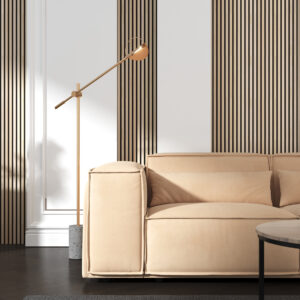
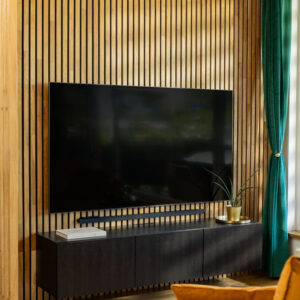
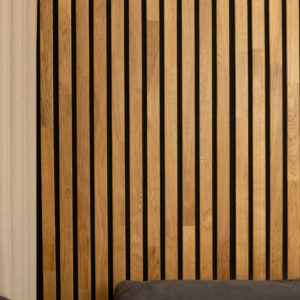
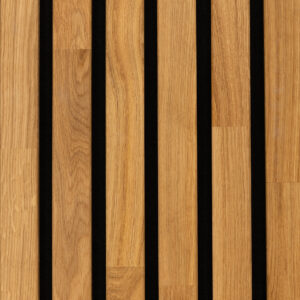
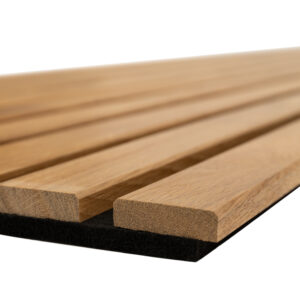
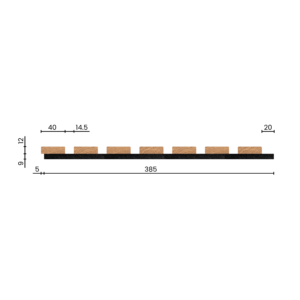
Acoustic wall panel – 40mm slats – 240×40 – natural oak
- Price range: 215.00€ through 365.00€
-
-
-
-
-
-
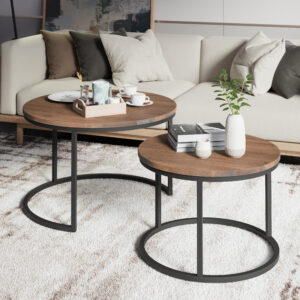
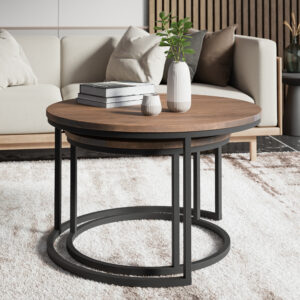
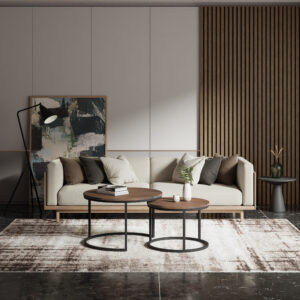
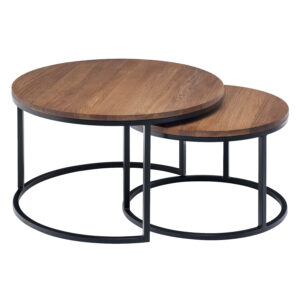
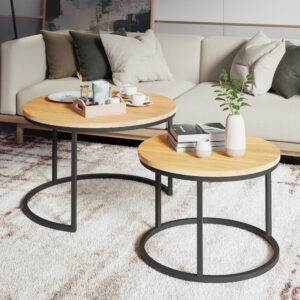
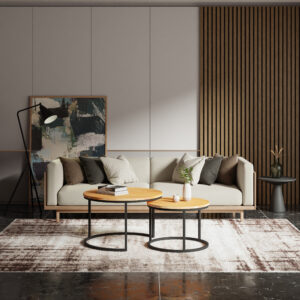
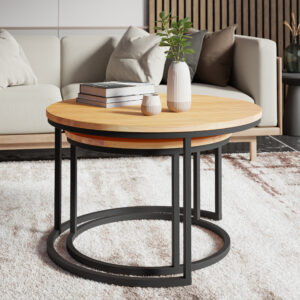
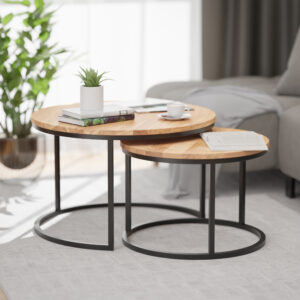
High-quality glulam is a lasting investment that only increases in character over time when treated correctly. Riverbank’s expertise and advanced manufacturing technology ensure you start with the best possible material. For expert advice on finishing your specific project or to discuss custom orders, contact us at +372 509 9151.