



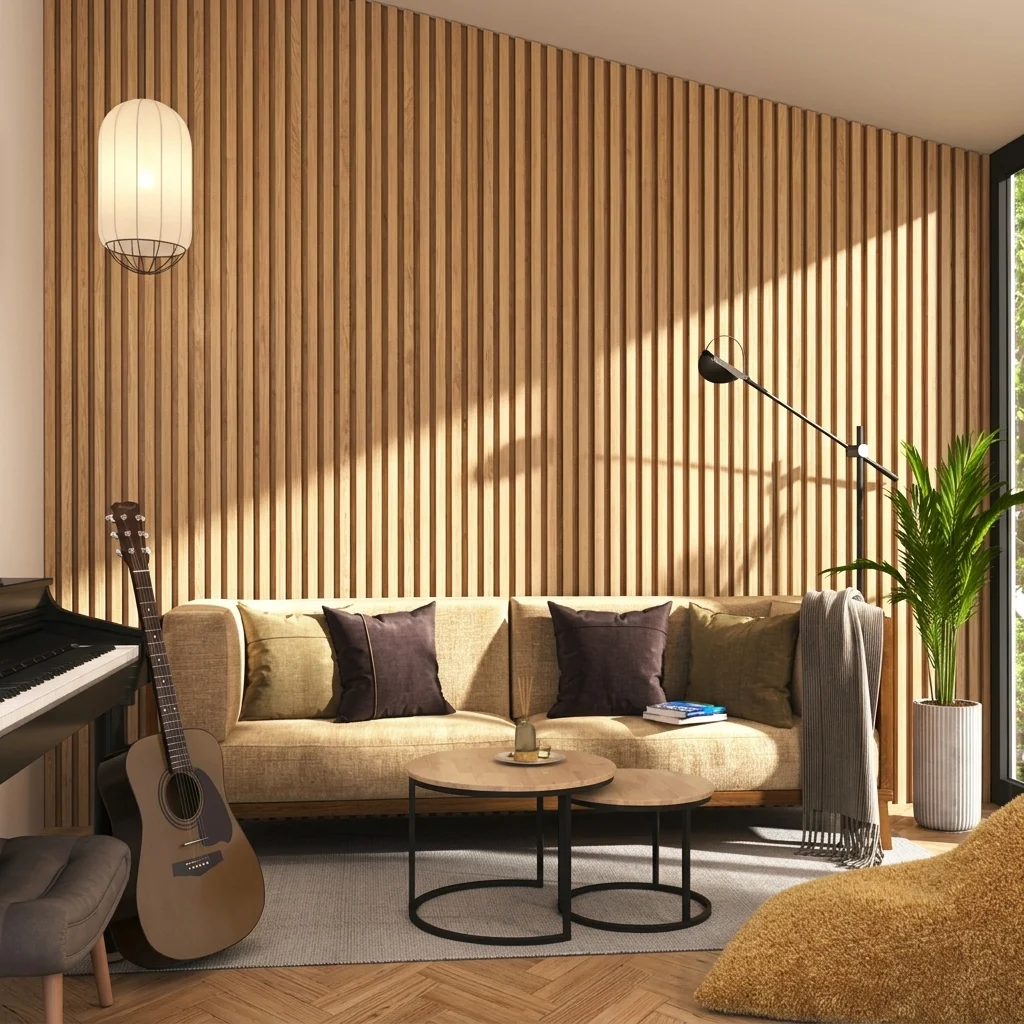
Elevating an interior with high-end wall panels adds both luxury and acoustic comfort, but choosing the right wood species and finish is essential to the success of your design. Selecting the perfect panel is a balance of aesthetics, functionality, and long-term durability—ensuring your space remains timeless and inviting.
Material Comparison: Birch vs. Oak
The first step in your design journey is selecting the right wood. At Riverbank OÜ, we primarily work with birch and oak. While both offer the unmistakable warmth of natural wood, they differ significantly in density, grain, and character. As explored in our guide to solid wood wall panels and components, the material you choose dictates how the panel will perform in your specific environment.
Oak is a perennial favorite in high-end interior design, prized for its exceptional strength and prominent grain patterns. With a Janka hardness rating of approximately 1,360 lbf, white oak is incredibly wear-resistant, making it ideal for high-traffic areas. Its natural resistance to moisture also makes it a suitable choice for kitchens or areas near water features, provided it is finished correctly.
Birch, by contrast, offers a cleaner, more uniform surface with a Janka rating of 1,260 lbf. While slightly softer than oak, it is significantly harder and more durable than standard pine, offering an excellent balance of quality and value. Birch is the perfect choice for modern Scandinavian-inspired interiors where the goal is to brighten the space. We can produce acoustic wall panels in lengths up to 4,000 mm and thicknesses from 15–50 mm, ensuring structural stability even across large surface areas.
Color Tones and Spatial Perception
Color is a powerful tool that does more than just match your furniture—it dictates the perceived dimensions of a room. Design principles show that light tones can make a room feel more expansive, while darker tones add depth and focus.
- Natural and lacquered birch are perfect for smaller rooms or north-facing spaces that receive limited natural light. They help reflect light, making the area feel airy and open.
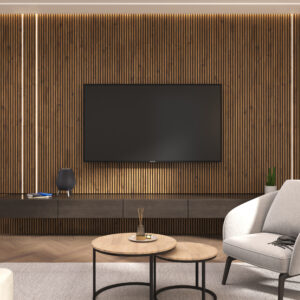
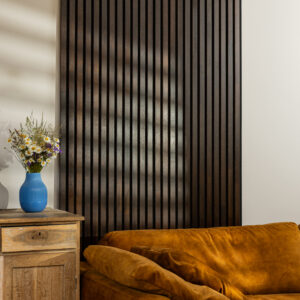
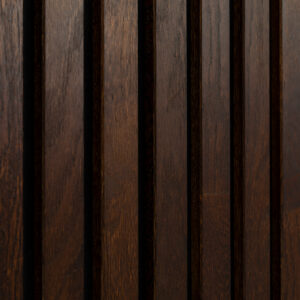
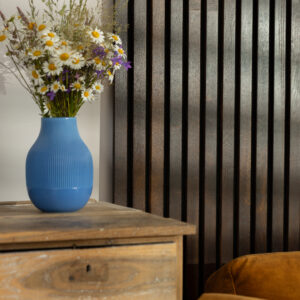
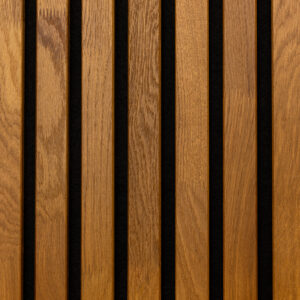
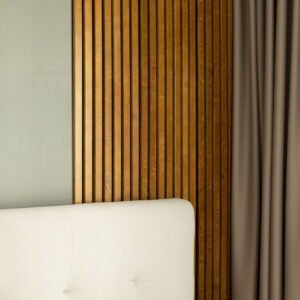
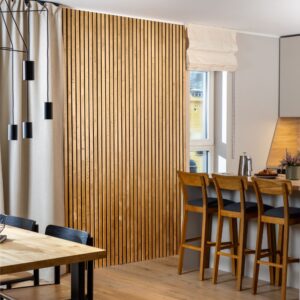
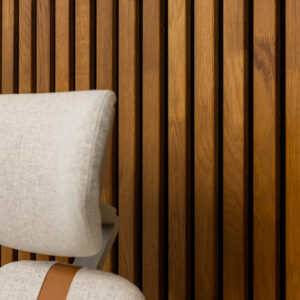
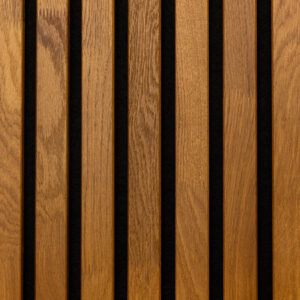
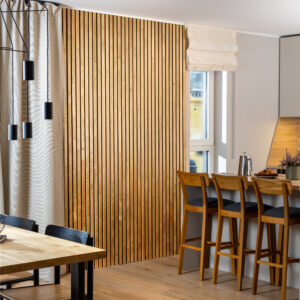
- Deep brown and tinted oak absorb more light, creating an atmosphere of intimacy and sophistication. These are frequently used as statement focal points in living rooms, taking advantage of the versatile applications of large solid wood wall panels.
- Custom combinations, such as mixing different tones in geometric patterns, can give a space a truly unique, contemporary edge.
-
-
Select options This product has multiple variants. The options may be chosen on the product page
- Wall panels
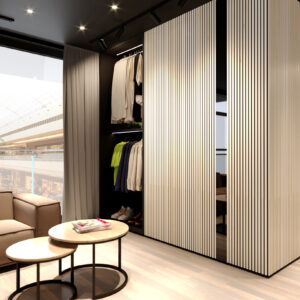
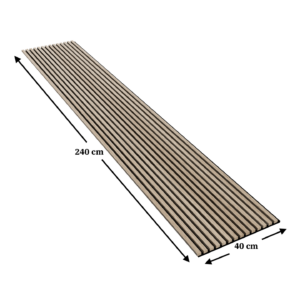
Acoustic wall panel – 18mm slats – 240×40 – natural solid birch
- Price range: 179.00€ through 305.00€
-
-
-
-
-
-
-
-
Select options This product has multiple variants. The options may be chosen on the product page
- Wall panels
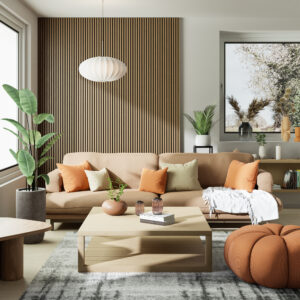
Acoustic wall panel – 18mm slats – 240×60 – dark solid oak
- Price range: 209.00€ through 365.00€
-
-
-
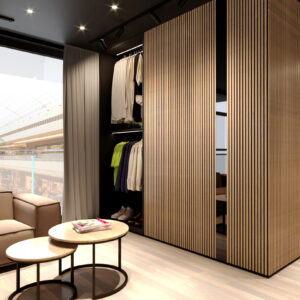
-
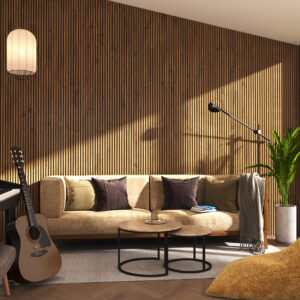
-
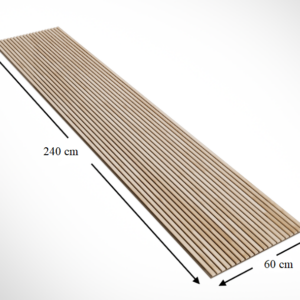
-
-
-
Select options This product has multiple variants. The options may be chosen on the product page
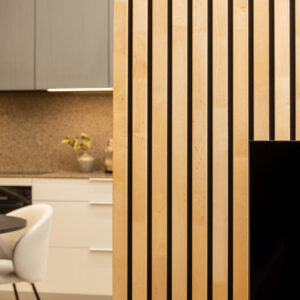
- Wall panels
Acoustic wall panel – 35mm slats – 240×40 – natural birch
- Price range: 179.00€ through 305.00€
-
-
-
-
-
-
Finishing Methods: Lacquer vs. Oil
The finish you choose determines both the maintenance routine and the final “feel” of the wood. When considering the nuances of finishing and treating glued laminated wood, there are two primary paths to take.
Lacquering creates a durable, non-porous protective layer. This “set-and-forget” finish is highly resistant to stains and moisture, making it a practical choice for public spaces or busy households with children. Lacquered surfaces are easy to maintain and can be wiped clean with ease.
Oiling and waxing penetrate deep into the wood fibers, highlighting the natural texture and providing a sophisticated matte finish. While oiled surfaces are more tactile and easier to repair locally if scratched, they do require periodic re-application to maintain their protective qualities. All Riverbank finishing products feature low VOC content, ensuring a healthy indoor environment for your home.
-
-
Select options This product has multiple variants. The options may be chosen on the product page
- Wall panels
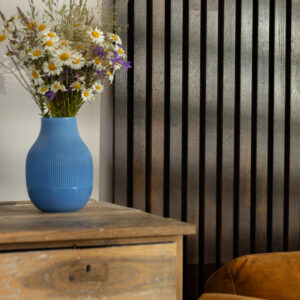
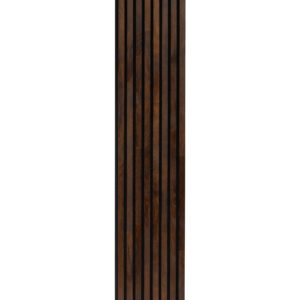
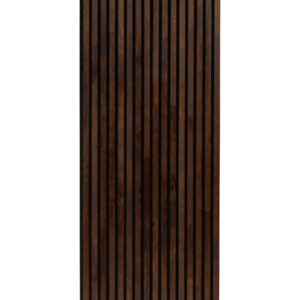
Acoustic wall panel – 35mm slats – 240×40 – choco solid wood
- Price range: 179.00€ through 305.00€
-
-
-
-
-
-
-
-
Select options This product has multiple variants. The options may be chosen on the product page
- Wall panels
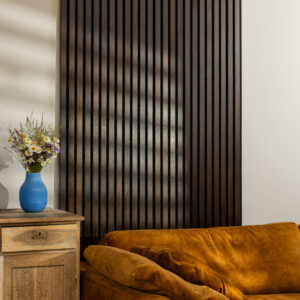
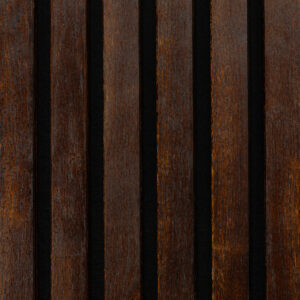
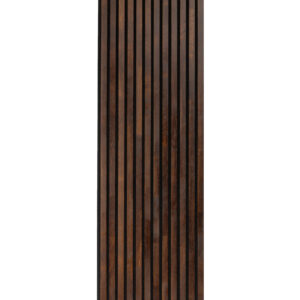
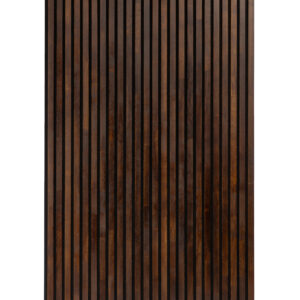
Acoustic wall panel – 35mm slats – 240×60 – choco solid oak
- Price range: 215.00€ through 365.00€
-
-
-
-
-
-
-
-
Select options This product has multiple variants. The options may be chosen on the product page
- Wall panels
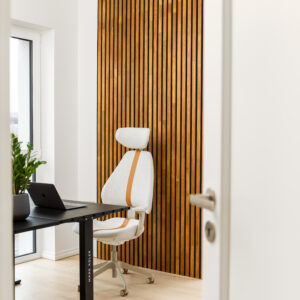
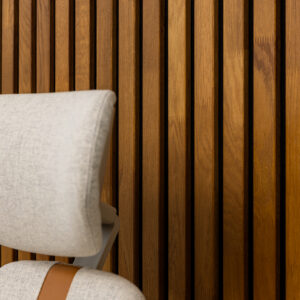
Acoustic wall panel – 35mm slats – 240×60 – dark solid oak
- Price range: 215.00€ through 365.00€
-
-
-
-
-
-
Acoustics and Slat Profiles
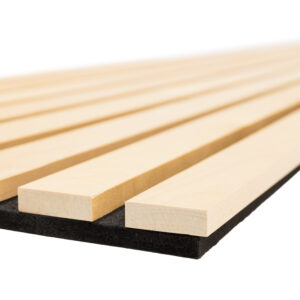
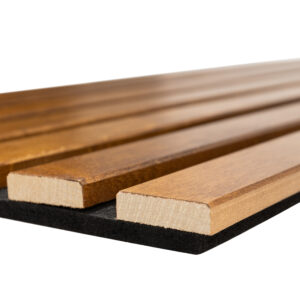
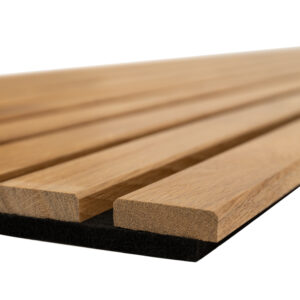
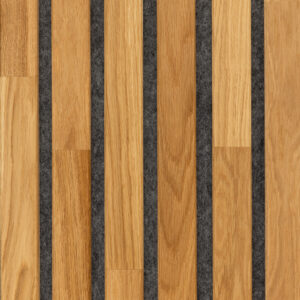
Beyond their visual appeal, wall panels serve a vital acoustic function. Acoustic panels typically feature a felt backing paired with solid wood slats (ribs) that break up and absorb sound waves, significantly reducing echo.
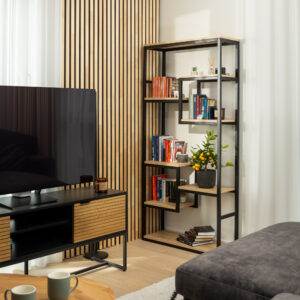
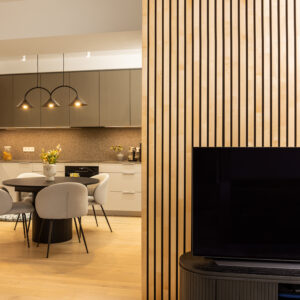
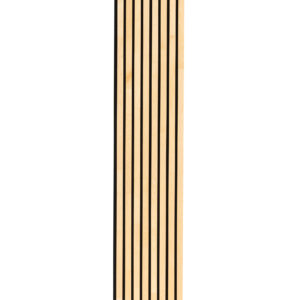
- 18 mm slats create a fine, elegant vertical rhythm. This profile is particularly well-suited for residential spaces and smaller rooms where a subtle texture is desired.
- 35 mm and 40 mm slats provide a bolder look and superior sound absorption. These deeper profiles are the preferred choice for open-plan living areas, home theaters, and commercial offices.
-
-
Select options This product has multiple variants. The options may be chosen on the product page
- Wall panels
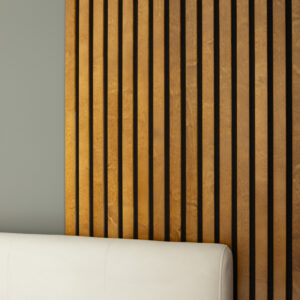
Acoustic wall panel – 40mm slats – 240×40 – dark solid oak
- Price range: 179.00€ through 305.00€
-
-
-
-
-
-
-
-
Select options This product has multiple variants. The options may be chosen on the product page
- Wall panels
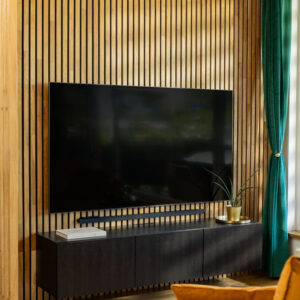
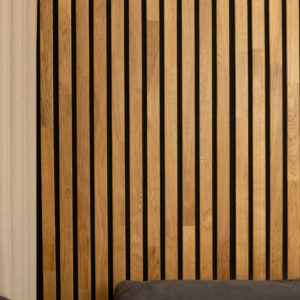
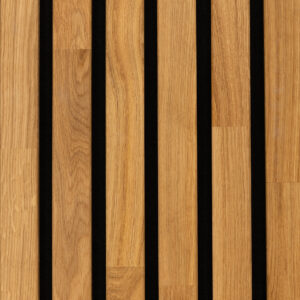
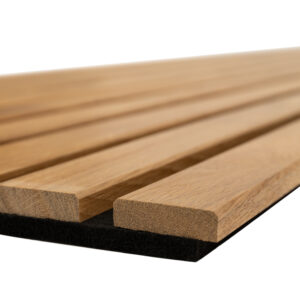
Acoustic wall panel – 40mm slats – 240×40 – natural oak
- Price range: 215.00€ through 365.00€
-
-
-
-
-
-
-
-
Select options This product has multiple variants. The options may be chosen on the product page
- Wall panels
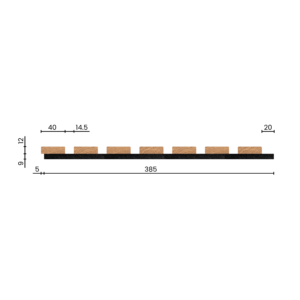
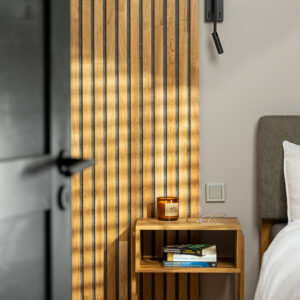
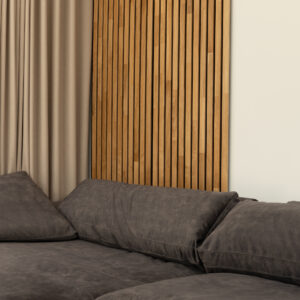
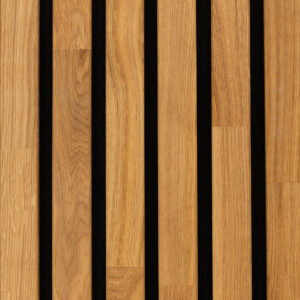
Acoustic wall panel – 40mm slats – 240×60 – natural oak
- Price range: 215.00€ through 365.00€
-
-
-
-
-
-
Durability and Long-term Maintenance
Solid wood is a premium investment that retains its value over time, provided you follow the wall panel installation guide and basic maintenance. Because wood is a natural, living material that reacts to humidity, our panels are kiln-dried to a precise moisture level of 8–12%, ensuring stability in standard indoor environments (Service Class 1).
For daily care, a simple dusting with a microfiber cloth is usually all that is required. The greatest advantage of solid wood over synthetic alternatives is its restorability. If a panel becomes worn or damaged over the years, it can be sanded and refinished to look brand new. This sustainability allows you to update the look of your home without replacing the material entirely.
By selecting the right wood species, tone, and finish, you can create an interior that is as durable as it is beautiful. Explore our full range of products to find the perfect solution for your next project.