



A solid wood coffee table is more than just a piece of furniture – it’s an investment that, with proper care, will last for generations. Solid wood brings warmth and authentic natural feeling to your home that synthetic materials can never match. But how do you choose the most suitable table for your home and taste, and how do you ensure its longevity? Let’s take a closer look at the world of solid wood coffee tables.
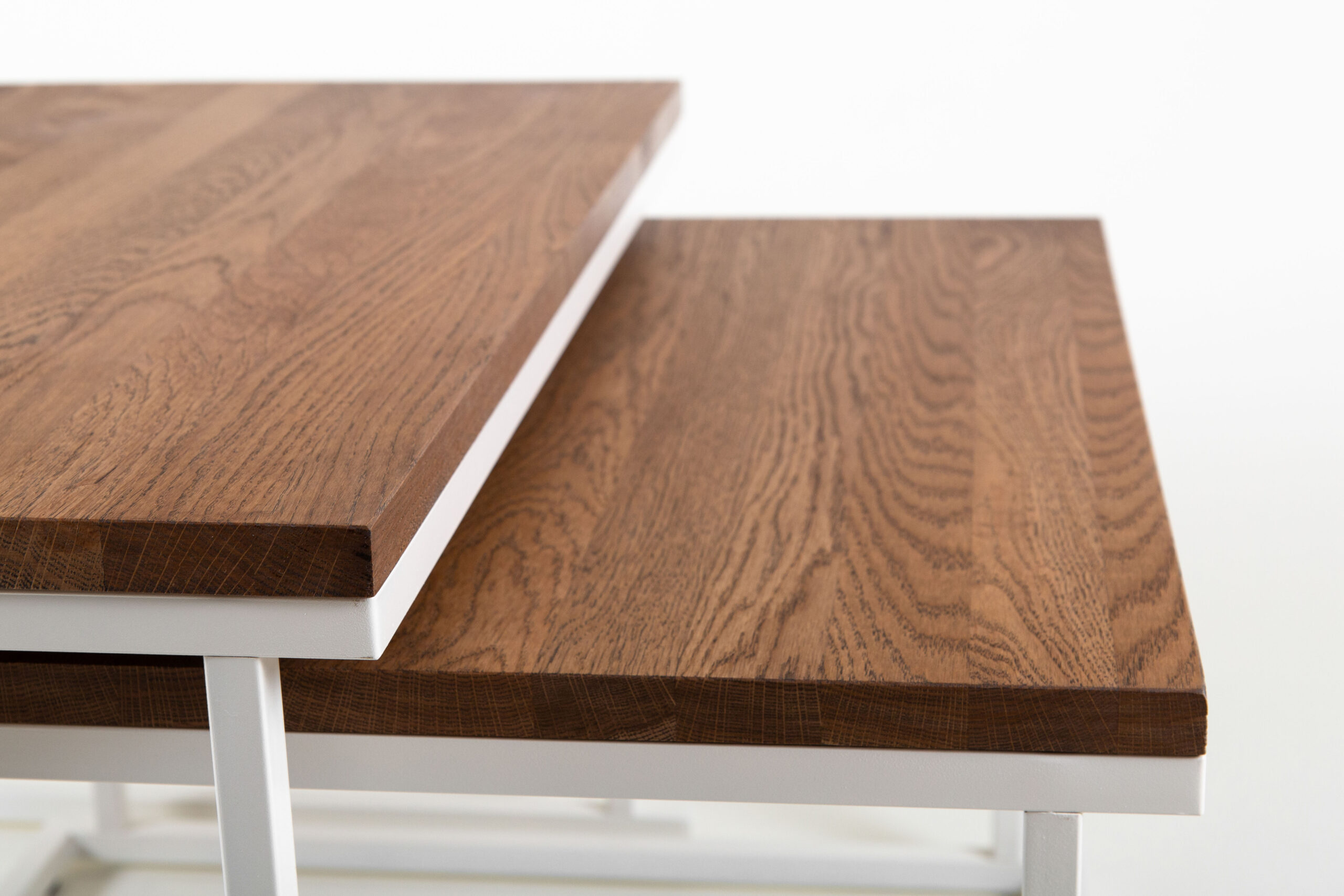
Why Choose a Solid Wood Coffee Table?
Solid wood furniture has been the primary choice for Estonians through the centuries. Its popularity is not accidental but based on real advantages it offers compared to other materials. A solid wood coffee table isn’t just a practical piece of furniture but brings natural warmth and character to a room.
A coffee table made of quality wood is exceptionally durable and strong, lasting for decades. Each piece of wood’s unique pattern gives the table character and ensures that no two are exactly alike. Additionally, using wood is an environmentally friendly choice as it’s a renewable resource.
One of the biggest advantages of solid wood coffee tables is their easy restoration and renewal. If you get tired of the current appearance or want to adapt the table to changed interior design, you can easily refresh it – whether by simply sanding and re-oiling or covering it with a completely new color tone.
Comparing Different Wood Types in Coffee Tables
Birch Wood
Birch stands out with its light, creamy tone that adds airiness and light to a space. This type of wood is lighter and has a softer texture, making it ideal for modern and Scandinavian-style interiors where light surfaces and natural appearance are valued.
A birch wood coffee table typically has smooth lines and a homogeneous appearance, offering a peaceful and harmonious space. Birch’s texture is uniform, making it well-suited for painting if you wish to bring brighter tones to your interior. The lighter weight allows the table to be moved more easily when needed.
Oak Wood
Oak is one of the most dignified and strongest domestic wood types, characterized by its durability and powerful character. Oak’s texture shows clear annual rings and interesting patterns, creating a unique appearance for each piece of furniture.
What’s remarkable about oak is that it becomes even more beautiful with time – the material acquires deeper tones and dignified patina. An oak coffee table has a prestigious appearance that brings luxurious warmth to a room. It fits well in both classical and modern interiors and is built to last for decades.
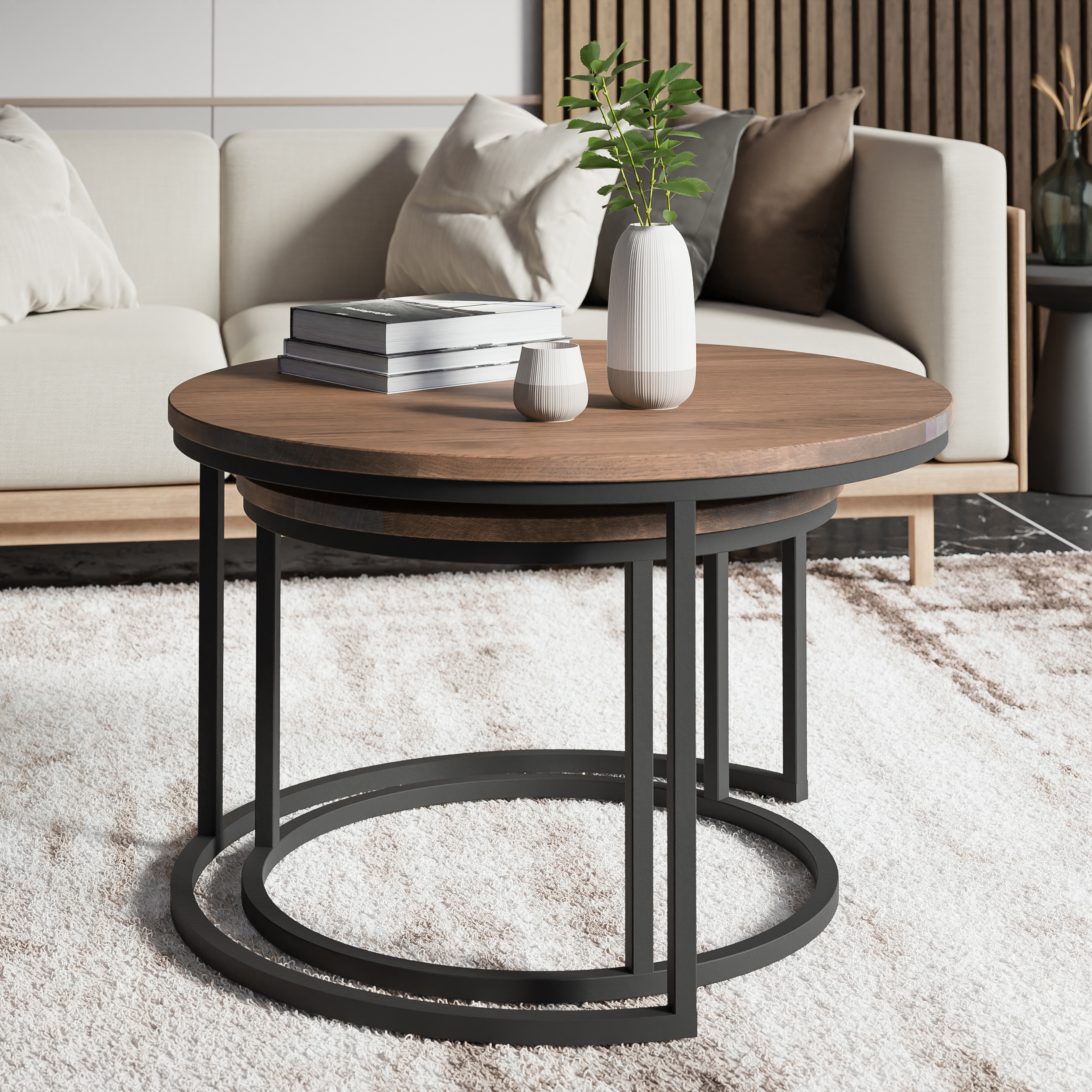
Pine Wood
Pine is the most widely spread wood type in Estonia, which has also made it one of the most popular choices in the furniture industry. Pine wood’s light tones reflect Nordic light and warmth, offering a natural and homey appearance.
Pine wood coffee tables are usually more affordable than those made from oak or other premium wood types, making them accessible to a wider range of buyers. The material is also relatively light and easy to work with, allowing for the creation of various designs. Pine wood is well-suited for both natural finishes and painting.
Laminated Wood
Laminated wood is an innovative solution that consists of multiple layers of wood glued together. This technology allows for the creation of exceptionally strong and stable surfaces that are significantly less prone to warping than regular solid wood pieces.
Coffee tables made of laminated wood are less likely to crack or bend over time, making them particularly suitable for larger surfaces or long-term use. Using laminated wood also allows for more resource-efficient production since it can utilize smaller pieces of wood that might otherwise not be used in furniture manufacturing.
Finishing Options for Solid Wood Coffee Tables
The finish determines not only the table’s aesthetic appearance but also significantly affects its durability and ease of maintenance. Each finishing method has its own advantages and peculiarities worth knowing before making a choice.
Oiling is one of the most natural finishing methods that highlights the wood’s natural beauty and texture. An oiled surface allows the wood to “breathe” and is easy to maintain – in case of damage, the surface can be easily repaired by sanding and re-oiling the specific area. Oil absorbs into the wood, protecting it from within, but requires periodic renewal.
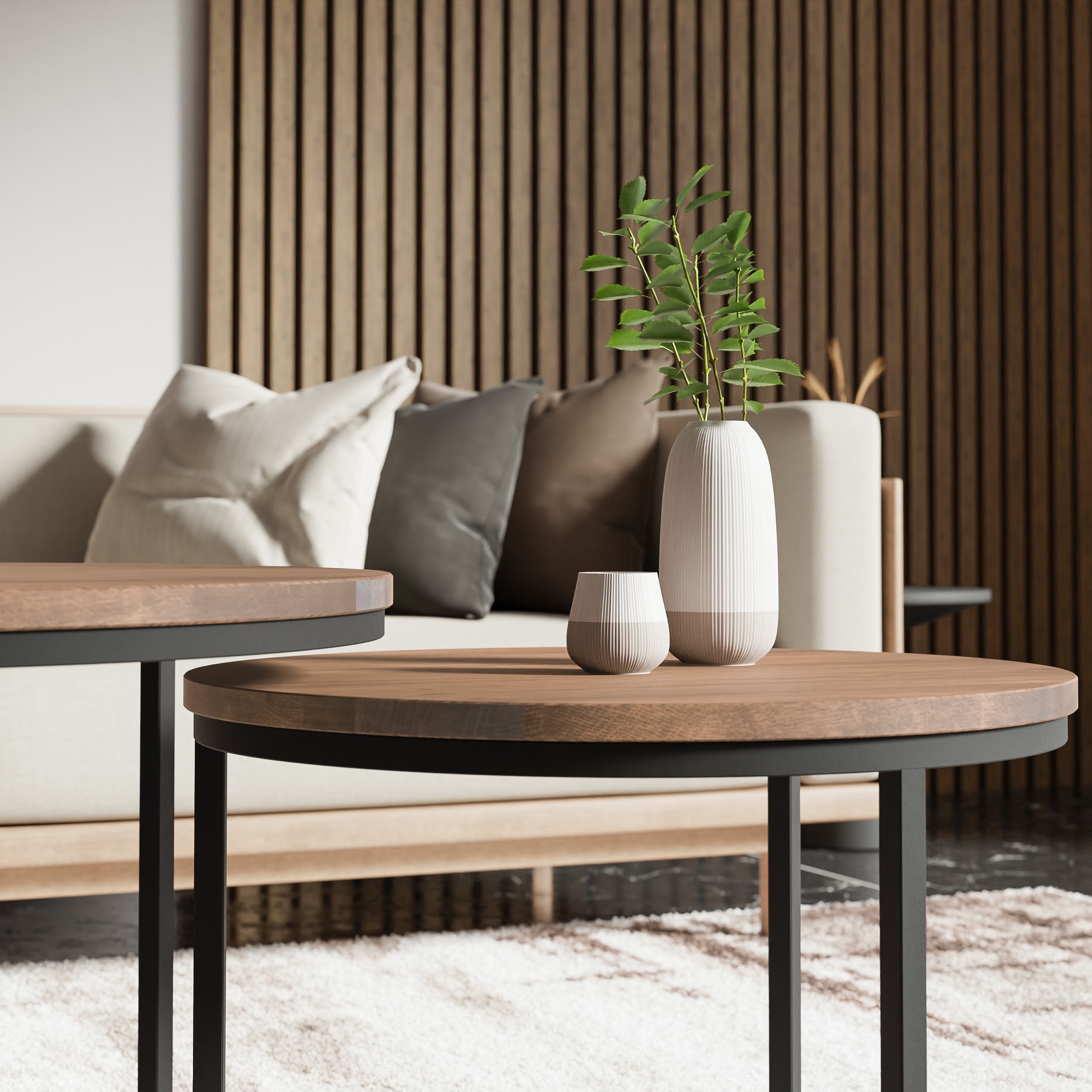
Lacquering creates a strong protective layer on the wood’s surface, effectively protecting it from moisture, stains, and scratches. A lacquered surface is easy to clean and requires less regular maintenance than an oiled surface. However, areas where the lacquer is damaged are more difficult to repair – often the entire surface needs to be refinished.
Waxing gives the wood a warm and natural appearance while also providing some protection. Wax creates a waterproof layer that repels minor liquids but requires more regular maintenance than other finishing options. A waxed surface feels pleasantly silky to touch and emphasizes the wood’s natural structure.
Combined solutions such as stain with oil or lacquer allow for changing the wood’s tone while preserving its texture. This is a great way to customize the appearance of your coffee table according to your interior without having to give up the beauty of the wood’s natural pattern.
Factors to Consider When Choosing a Coffee Table
Room Size and Function
When choosing a coffee table, it’s essential to consider its proportion to the room and existing furniture. An ideal coffee table should be about two-thirds the length of the sofa and either slightly lower or at the same height as the sofa seat.
For a small space, a more compact table, perhaps even an easily movable or foldable version, is suitable. You might also consider a round table, which appears less obstructive in a small space. In a more spacious living room, you can boldly choose a larger and more powerful design that functions as the room’s central element.
Also consider the room’s function – in a living room primarily used for conversation and relaxation, the coffee table can be more decorative and smaller. In a room where people often watch TV, eat, or play board games, it’s practical to choose a table with a larger surface.
Intended Use
Before choosing a coffee table, think through how you plan to use it daily. Is it mainly a decorative element where you’ll place a vase or books? Or do you need a practical surface for serving food, working with a laptop, or playing board games with children?
If the table is mainly meant for coffee cups and magazines, you can choose a delicate and more elegant design. But if you plan to work or eat there, it’s worth considering a stronger finish and a table with a larger surface.
Some coffee tables also offer additional functions – drawers, shelves, or a raisable surface. These additional features can be particularly valuable in a small space, offering extra storage space or the ability to adjust the table’s height as needed.
Style and Design
Solid wood coffee tables are available in very different designs, from minimalist and modern to rustic or industrial-style solutions. By choosing a table that fits with your other furnishings, you create a cohesive look in the room.
Minimalist and modern-lined tables usually have simple, clean lines, straight corners, and few decorations. These are ideal for contemporary interiors and spaces where simplicity is valued.
Tables with a rustic appearance and natural edge preserve the wood’s natural look, often keeping the tree’s natural edge (so-called “live edge”). Such tables add warmth and a nature-close feeling to the room and create an earthy atmosphere.
Classical design tables with legs are inspired by traditional styles – they may include carvings, curved legs, or other details that add elegance. Such tables fit well with classical or vintage style interiors.
Best Practices for Solid Wood Coffee Table Maintenance
Daily Maintenance
Daily maintenance is extremely important for preserving the beauty of a solid wood coffee table. Clean the table regularly with a soft, slightly damp cloth to remove dust and dirt. Avoid excess water as it can damage the wood – the cloth should be damp, not wet.
Stains should be removed immediately, as the longer they remain on the wood, the more likely they are to penetrate deeper. Use a soft cloth and gentle motion to remove stains – never rub hard as this can damage the wood’s surface.
Direct sunlight can cause the wood to fade and change color, so consider using curtains or blinds if the table is located near a window. Also, always place hot items on coasters, as heat can damage the finish and leave marks.
Sharp or rough items can easily scratch the wood, so always use coasters or mats when placing anything on the table that could damage the surface.
Periodic Maintenance
In addition to daily maintenance, a solid wood coffee table also needs regular, more thorough maintenance to preserve its beauty and durability over the years.
An oiled surface should be renewed as needed, typically 1-2 times a year or when the wood starts to feel dry. Apply a thin layer of suitable wood oil (according to the wood type) to the wood and let it absorb before removing excess oil.
A lacquered surface should be regularly checked for scratches or signs of wear. Smaller scratches can often be repaired with special wood repair products, while larger damage may require sanding and relacquering the entire surface.
A waxed surface needs regular treatment with wax to maintain protection and beautiful appearance. Usually, it’s enough to do this every couple of months or when the surface starts to feel dry.
Also periodically check the table’s legs and construction stability. Screws can loosen over time, especially if the table is frequently moved. Tighten screws as needed and ensure that the table stands firmly and doesn’t wobble.
Stain Removal Tips
Even careful use doesn’t always prevent stains. Fortunately, there are several household remedies that help remove various stains without damaging the wood surface:
Water stains are among the most common and usually appear when liquid has been left on the wood for too long. To remove them, use a soft cloth slightly moistened with wood furniture oil. Gentle, circular movements help eliminate the stains.
Grease stains can occur through food or hands. To clean them, mix a little baking soda with water to form a paste. Apply it to the stain, let it sit for a while, and gently wipe off. Then clean the surface with a damp cloth and dry thoroughly.
Ink stains are one of the more difficult stain types to remove. Try lemon juice or a mild detergent solution, applying it very gently to the stain. After removing the stain, clean the area with a clean damp cloth and dry carefully.
Alcohol stains, which can form from a wine glass base mark, respond well to wood furniture oil. Apply oil to the stain and gently rub with a soft cloth until the stain begins to disappear.
Advantages of Riverbank’s Solid Wood Coffee Tables
Riverbank OÜ has proven itself as a reliable provider of wood solutions for over 10 years. Our long-term experience and commitment to quality make us an ideal partner when you’re looking for a solid wood coffee table.
Our coffee tables are made only from quality solid wood, be it birch, oak, or pine. We use modern technologies in our production process, combined with the skills of our experienced craftsmen, ensuring the highest quality.
All the materials we use are carefully selected to ensure their safety and durability. No compromises are made in the production of our products – we use only the best materials.
One of our biggest advantages is flexibility. We can manufacture coffee tables according to the client’s exact wishes and needs. Whether it’s a standard size or a special model, Riverbank can implement it.
Our extensive experience in manufacturing laminated wood (15-50mm thickness) gives us the opportunity to offer stable and durable solutions that exceed the properties of ordinary wooden furniture.
A solid wood coffee table is an investment that brings warmth and timeless beauty to your home interior. Whether your preference is a table made of birch, oak, or pine, Riverbank offers quality solutions for every taste.
If you would like additional advice or information about solid wood coffee tables, contact us by phone at +372 509 9151. Our specialists will help you find the ideal solution for your home. Also check out our selection of coffee tables and find the perfect solid wood coffee table for your home!