



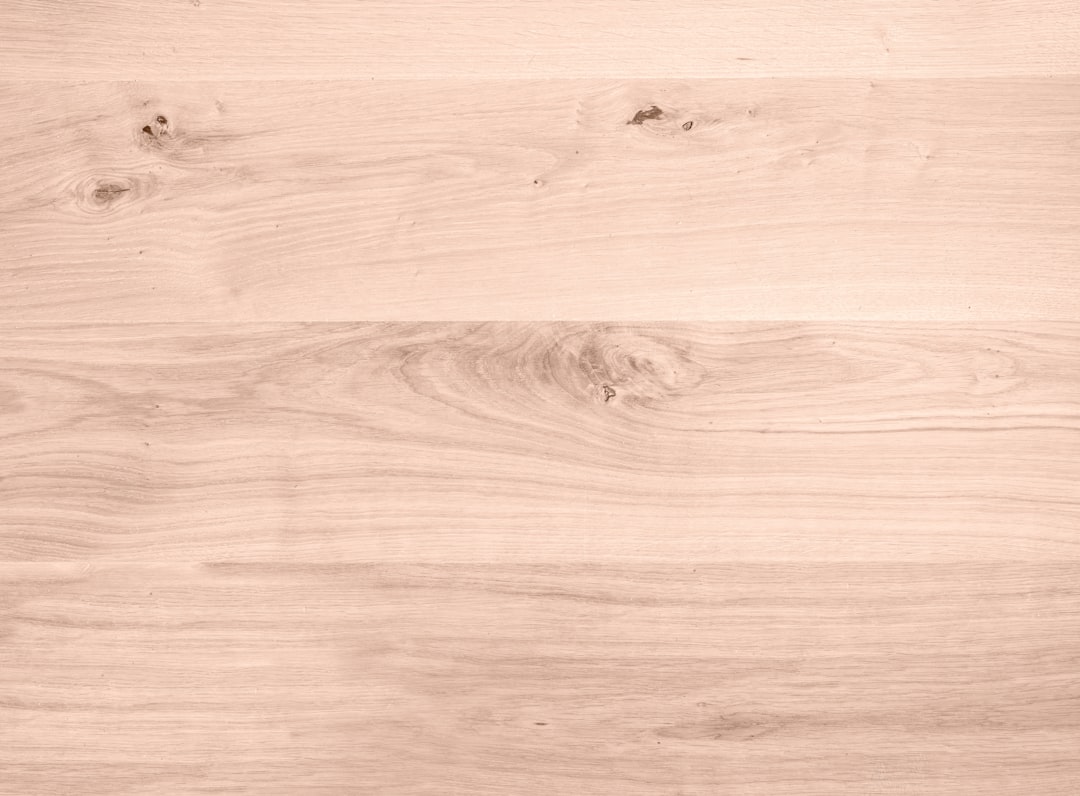
The kitchen countertop is one of the most used surfaces in the home, so the choice of material is not just an aesthetic decision, but also a practical one. The popularity of solid wood countertops has grown significantly in recent years – they bring warmth and natural beauty to the kitchen. But is wood really the best choice for your kitchen?

Advantages of Solid Wood Countertops
Unique Appearance and Warmth
Every wooden countertop is unique with its own pattern and character. Wood brings natural warmth to the space, making the kitchen cozy and inviting. Wood is particularly well-suited for Scandinavian and rustic kitchen designs.
Appearance Improves Over Time
Unlike many other materials that wear down over time, solid wood can actually become more beautiful with proper care. The patina that develops with use gives the wood surface character and depth.
Environmental Friendliness
Wood is a renewable resource and therefore a more environmentally friendly choice than synthetic materials. Countertops made from quality wood can last for decades, reducing the need for new materials.
Repairability
One of the biggest advantages of solid wood is its repairability. Damages that occur during use can be remedied at home with sanding and oiling, after which the surface looks like new again, as confirmed by Mass Puidutööstus.
Installation Options
Solid wood countertop installation is relatively simple and they can be customized on site. They can also be sanded and renewed later if necessary.
Disadvantages of Solid Wood Countertops
Requires Regular Maintenance
Wood is a living material that needs regular maintenance – oiling or waxing at least once every 6 months. Without proper care, wood can dry out, crack, or absorb stains.
Sensitivity to Moisture
Wood is naturally hygroscopic, meaning it absorbs and releases moisture according to environmental conditions. This can cause the countertop to expand or contract, especially in humid kitchens.
Susceptibility to Scratches
Compared to stone or quartz, wood is softer and more susceptible to scratches. Cutting directly on the wood with a knife can leave visible marks.
Heat Resistance Limitations
Wood is not as heat resistant as stone or composite materials. Placing hot pans and pots directly on wood can leave marks and damage the surface.
Main Wood Types for Countertops
Glued laminated timber panels are available in various wood species, giving you the opportunity to choose a solution that matches your kitchen style. According to Mass Puidutööstus, the most popular wood species are oak, ash, beech, birch, walnut, and mahogany.
Oak
Oak is one of the most popular choices due to its durability and beautiful texture. It is a medium-hardness wood suitable for everyday use.
The advantages of oak include a strong and durable structure, beautiful texture, and good resistance to moisture when properly treated. The disadvantage might be its higher price compared to some other wood species and some sensitivity to stains.
Birch
Birch is a lighter-colored wood that gives the kitchen a fresh and modern look. Its advantages include a bright and clean appearance, uniform texture, and a somewhat more affordable price than oak. However, birch is softer than oak, thus more susceptible to damage and requires more frequent maintenance.
Beech
Beech is a medium-hardness wood known for its uniform structure. The advantages of beech include a strong and dense surface, uniform appearance, and good workability. However, beech is particularly sensitive to moisture and may yellow over time.
Walnut
Walnut wood offers a rich, dark tone that adds a luxurious look to the kitchen. The advantages of walnut include its luxurious appearance, warm tone, and ability to become even more beautiful over time. The disadvantages are its high price and relatively soft surface that requires careful handling.
Quality Classes and Selection Criteria
When choosing glued laminated timber panels, it’s worth paying attention to quality classes. According to Mass Puidutööstus, these are:
- Quality Class A: Practically defect-free material, with virtually no knots and a uniform, clean pattern.
- Quality Class B: Closed knots up to 20mm and smaller black knots up to 10mm are allowed, sapwood content up to 20% of the panel surface.
- DIY Quality Class: Solid black knots are allowed across the entire panel without limitations, black knots are allowed up to 10 per m².
Installation and Maintenance
Installation of solid wood countertops can also be done by yourself if you have the appropriate tools and skills. The main stages of installation are measuring and cutting, edge finishing, attaching to kitchen cabinets, and oiling or waxing.
Regarding maintenance, regular oiling (at least once every 6 months), immediate cleaning of stains, using mats when placing hot items, and using cutting boards instead of cutting directly on the surface are important.

Price and Return on Investment
The prices of solid wood countertops vary depending on the wood species, quality, and dimensions. Although the initial investment may be higher than for laminate or some composite materials, it’s worth considering that a properly maintained wooden countertop can last for decades. In case of damage, the surface can be renovated rather than replacing the entire countertop. Additionally, solid wood adds more value to a home than synthetic materials.
Who is a Solid Wood Countertop Suitable For?
A solid wood countertop is especially suitable for those who value a natural and warm appearance. Also for families who are willing to maintain the countertop regularly, and those who want an environmentally friendly and sustainable choice. Wooden countertops are ideal for people who love to bake and prepare food, but are willing to use cutting boards.
However, a solid wood countertop may not be the best choice if you want an absolutely maintenance-free solution, if there is very high humidity in the kitchen, or if you prefer a modern, clinical look.
Summary
A solid wood kitchen countertop is a timeless, beautiful, and practical choice that, with proper care, will last for decades. Although it requires more attention than some other materials, wood offers warmth and character that is difficult to achieve with other materials. An investment in a solid wood countertop brings natural beauty and warmth to the kitchen for many years. Visit Riverbank OÜ countertops page to explore a selection of quality laminated wood countertops.