



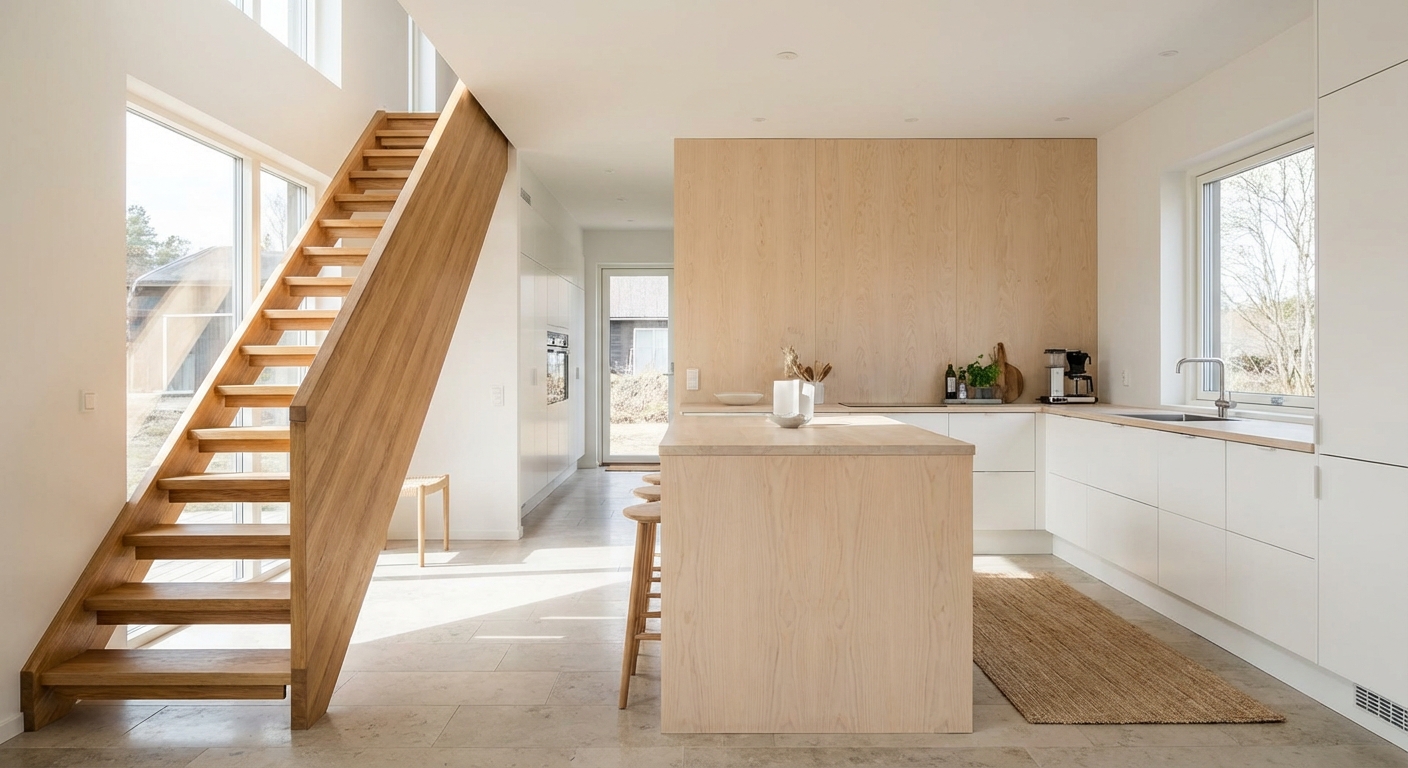
Are you planning a new staircase or kitchen renovation but can’t decide between oak and birch? The mechanical properties and moisture resistance of these hardwoods will determine the longevity and durability of your interior design for decades to come.
Mechanical Strength and Janka Hardness
One of the most reliable indicators of a wood’s durability is its surface hardness, measured on the Janka scale. Oak glued laminated timber (glulam) is renowned for its exceptional density and structural integrity, boasting a Janka rating of approximately 1,360 lbf. This makes oak the gold standard for projects requiring high load-bearing capacity and resistance to heavy foot traffic. When examining glulam strength classes and quality requirements, oak’s bending strength can reach 33.5 MPa, significantly outperforming standard softwood alternatives.
Birch glulam is also a dense, high-strength hardwood with an average density of 657.71 kg/m³. While birch offers impressive hardness that is only slightly lower than oak, it is a more elastic material. This flexibility makes birch an excellent choice for furniture components where a balance of durability and lighter weight is required. Compared to the heavy-duty nature of oak, birch is mechanically robust but slightly more susceptible to surface impacts.
-
-
Select options This product has multiple variants. The options may be chosen on the product page
- Wall panels
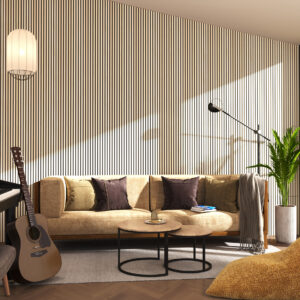
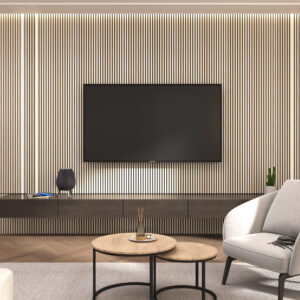
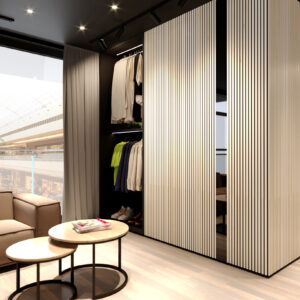
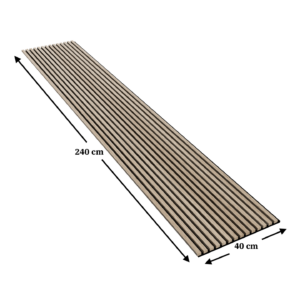
Acoustic wall panel – 18mm slats – 240×40 – natural solid birch
- Price range: 179.00€ through 305.00€
-
-
-
-
-
-
-
-
Select options This product has multiple variants. The options may be chosen on the product page
- Wall panels
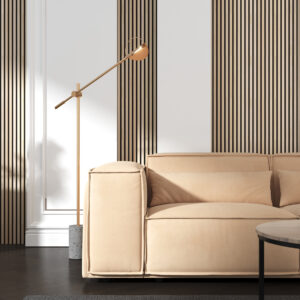
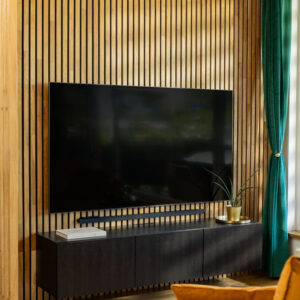
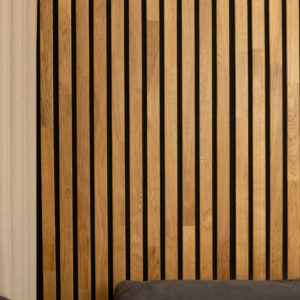
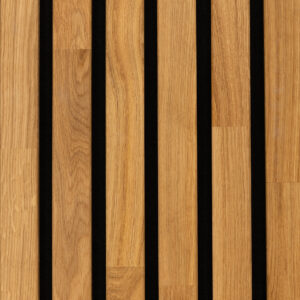
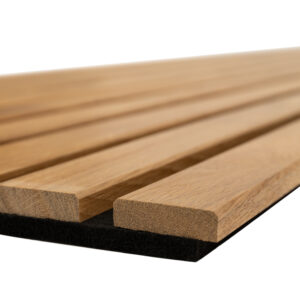
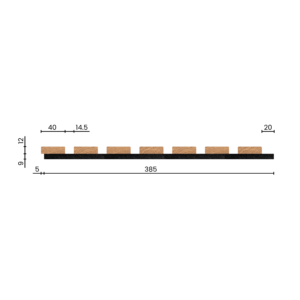
Acoustic wall panel – 40mm slats – 240×40 – natural oak
- Price range: 215.00€ through 365.00€
-
-
-
-
-
-
Resistance to Wear and Impact Damage
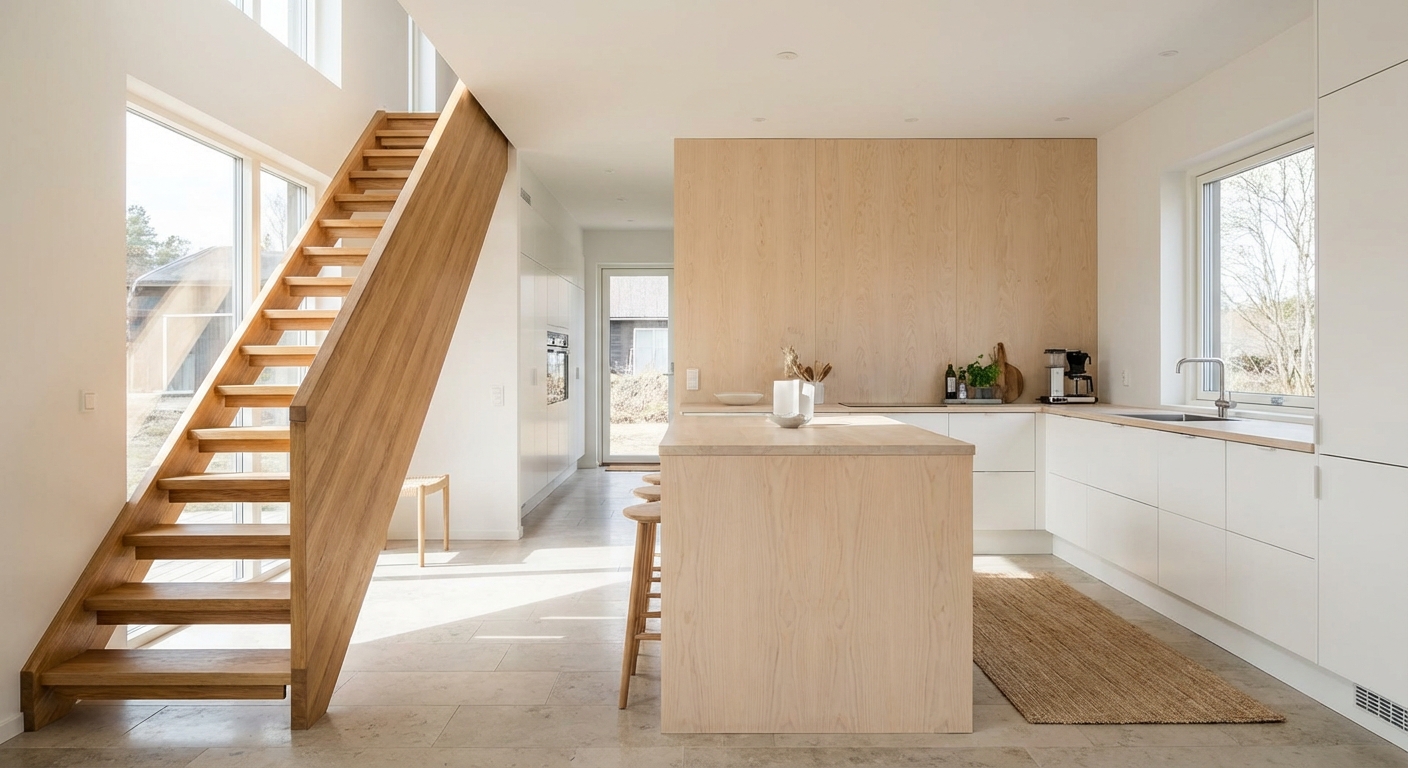
Wear resistance determines how well a wooden surface stands up to daily friction, impacts, and scratches. Oak has a distinct advantage here due to its dense, porous grain structure, which camouflages minor scuffs better than birch. Consequently, oak is the ideal material for high-traffic surfaces like stair treads or durable countertops.
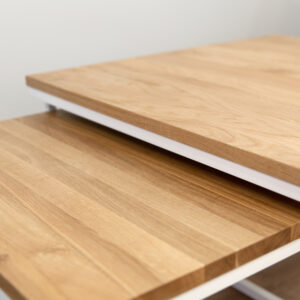
In contrast, birch features a more uniform, lighter surface, meaning deeper dents or scratches may be more visible. However, birch is still strong enough to last for decades in a standard residential setting. It is also important to note that the thickness of the panel plays a vital role in longevity. Research into the effect of glulam thickness on product durability confirms that 40–50 mm thick panels offer the best resistance to warping and can withstand professional sanding and refinishing if necessary.
Moisture Response and Dimensional Stability
Wood is a hygroscopic material, meaning it expands and contracts in response to changes in humidity. Modern glulam production technologies significantly improve stability, as the process of gluing individual lamellas together helps neutralize the wood’s natural internal stresses.
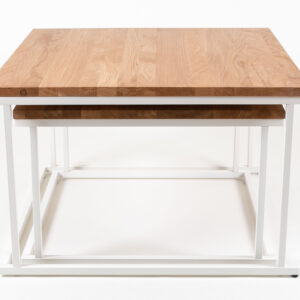
Oak contains natural tannins, which provide inherent rot resistance and better stability in humid environments. Because of this, interior designers often prefer oak for kitchens or near bathrooms where solid wood acoustic wall panels are installed. Birch is more sensitive to moisture and can undergo more significant “movement” in unstable environments. Therefore, utilizing proper processing methods, such as high-quality lacquering or regular oiling, is essential to seal the pores and prevent moisture absorption in birch.
Lifespan and Maintenance
Both oak and birch are long-term investments that can last for generations with the right care. When exploring the specifics of making glulam furniture, it becomes clear that the lifespan of a wooden surface depends heavily on how well its protective finish is maintained.
- Lacquered finishes provide a hard protective shell and typically only need to be reapplied every 5–10 years.
- Oiled surfaces, particularly on high-use kitchen countertops, should be refreshed quarterly to maintain water repellency.
- Restoration: The greatest benefit of both species is their ability to be fully restored; even deep gouges can be sanded out to bring the wood back to its original condition.
You can learn more about the benefits of lacquered wood surfaces and how to maintain them in our specialized guide.
When to Choose Oak vs. Birch?
Ultimately, your choice depends on your project budget, aesthetic preferences, and expected wear and tear. Oak is a premium, incredibly wear-resistant material perfect for high-traffic areas and prestigious interiors. Birch, on the other hand, offers a bright, Scandinavian aesthetic and excellent value—typically costing 15–20% less than oak while still providing the longevity you expect from a hardwood.
If you are looking for an investment that will withstand the test of time and heavy use, solid wood is always the best choice. Riverbank OÜ produces custom, high-quality glulam products tailored to the needs of even the most demanding design projects. Contact us at +372 509 9151 to find the perfect material and dimensions for your home.