



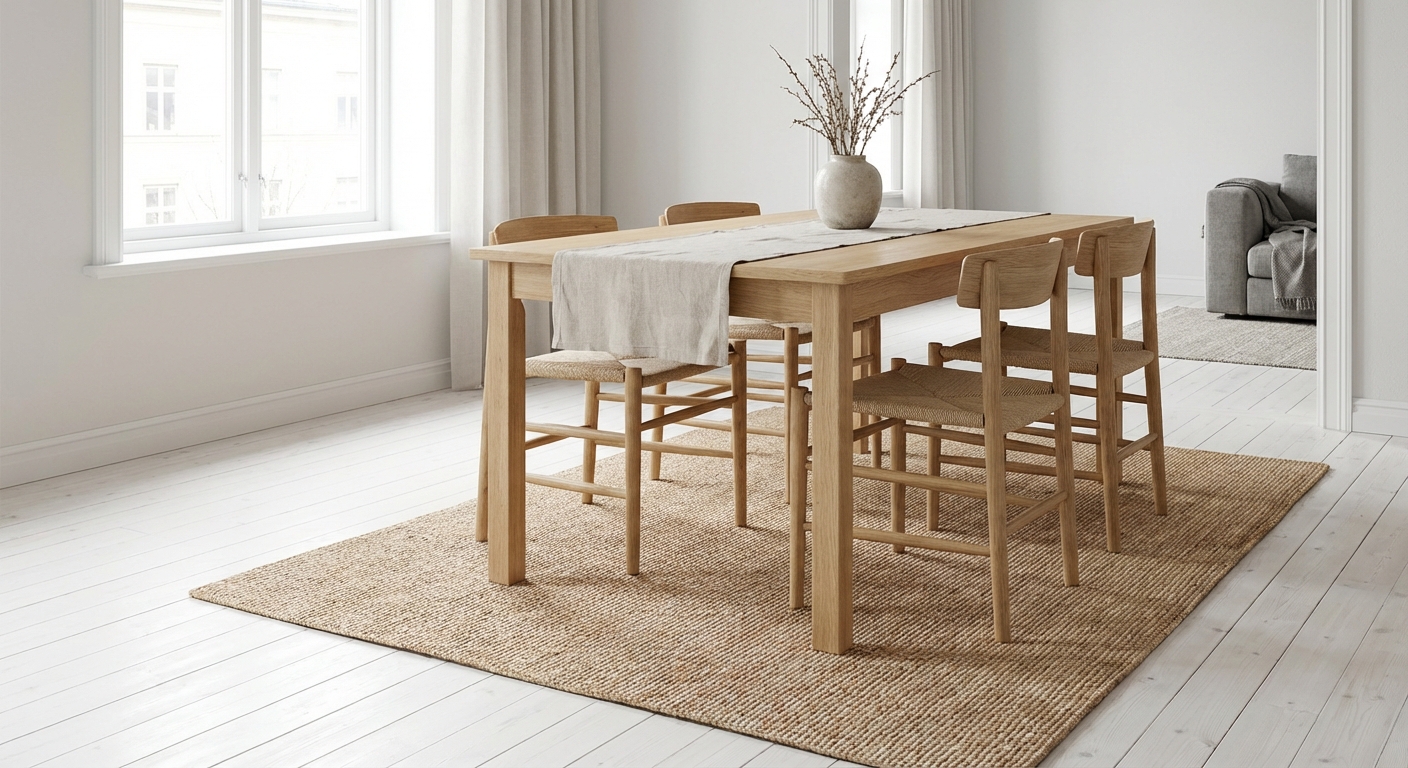
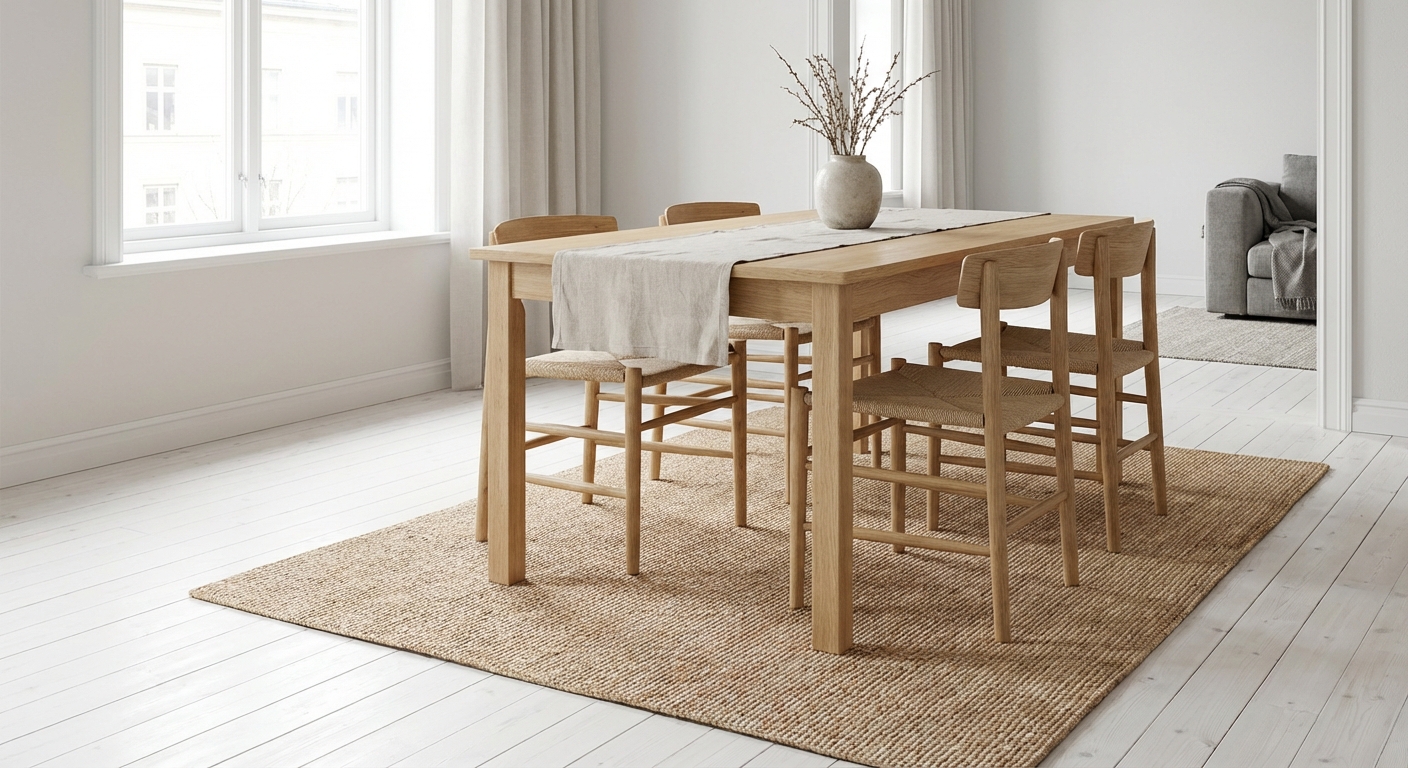
Does your dining room ever feel uncomfortably cramped, even if there isn’t much furniture in it? This feeling is often caused by a poorly sized dining table—one that doesn’t account for the room’s ergonomics or the space required for people to move around freely.
Leave Enough Room for Natural Movement
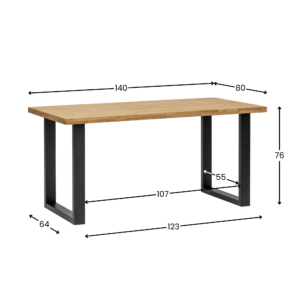
When choosing a dining table, the most important factor isn’t actually the length of the table itself, but the “clearance”—the empty space left around it. To comfortably pull out a chair and allow others to pass behind you, you need at least 90–91 cm of space between the table edge and the wall or any other furniture. Ideally, for a completely unobstructed flow, that distance should be closer to 107–112 cm.
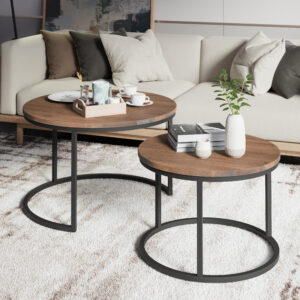
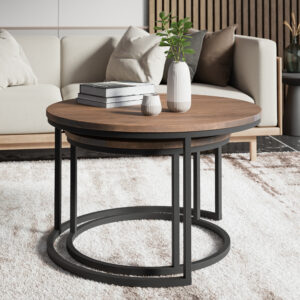
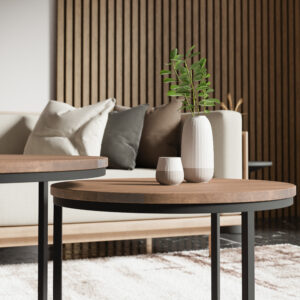
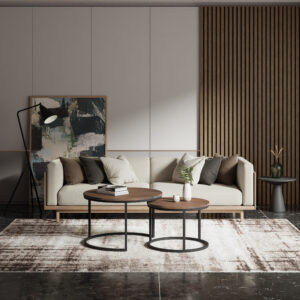
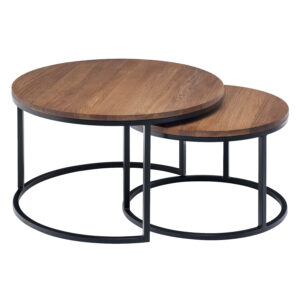
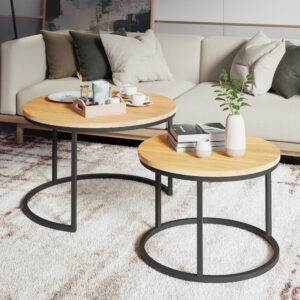
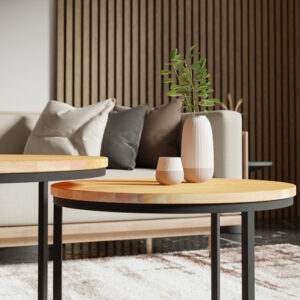
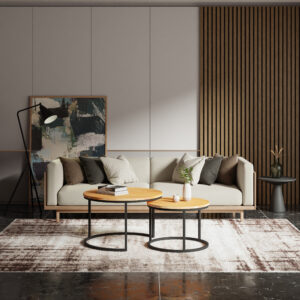
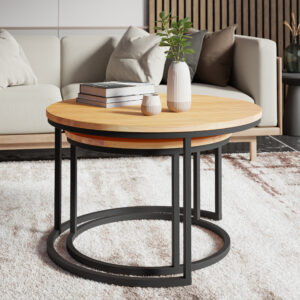
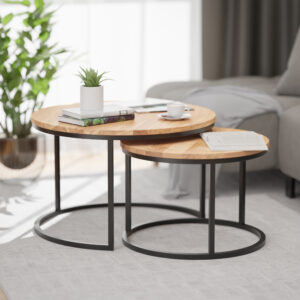
In open-plan homes, a dining table helps define different zones, but it shouldn’t become a roadblock in high-traffic areas. In very small homes where every square inch counts, you might consider alternatives for the main living area. For instance, oak coffee tables can help create a more airy lounge feel, leaving more breathing room for the dining section.
Choose a Shape That Fits Your Room’s Proportions
The shape of your table dictates how traffic flows through the room and how guests interact. Your choice should be guided by the architectural layout and size of your dining area.
Rectangular and Oval Tables
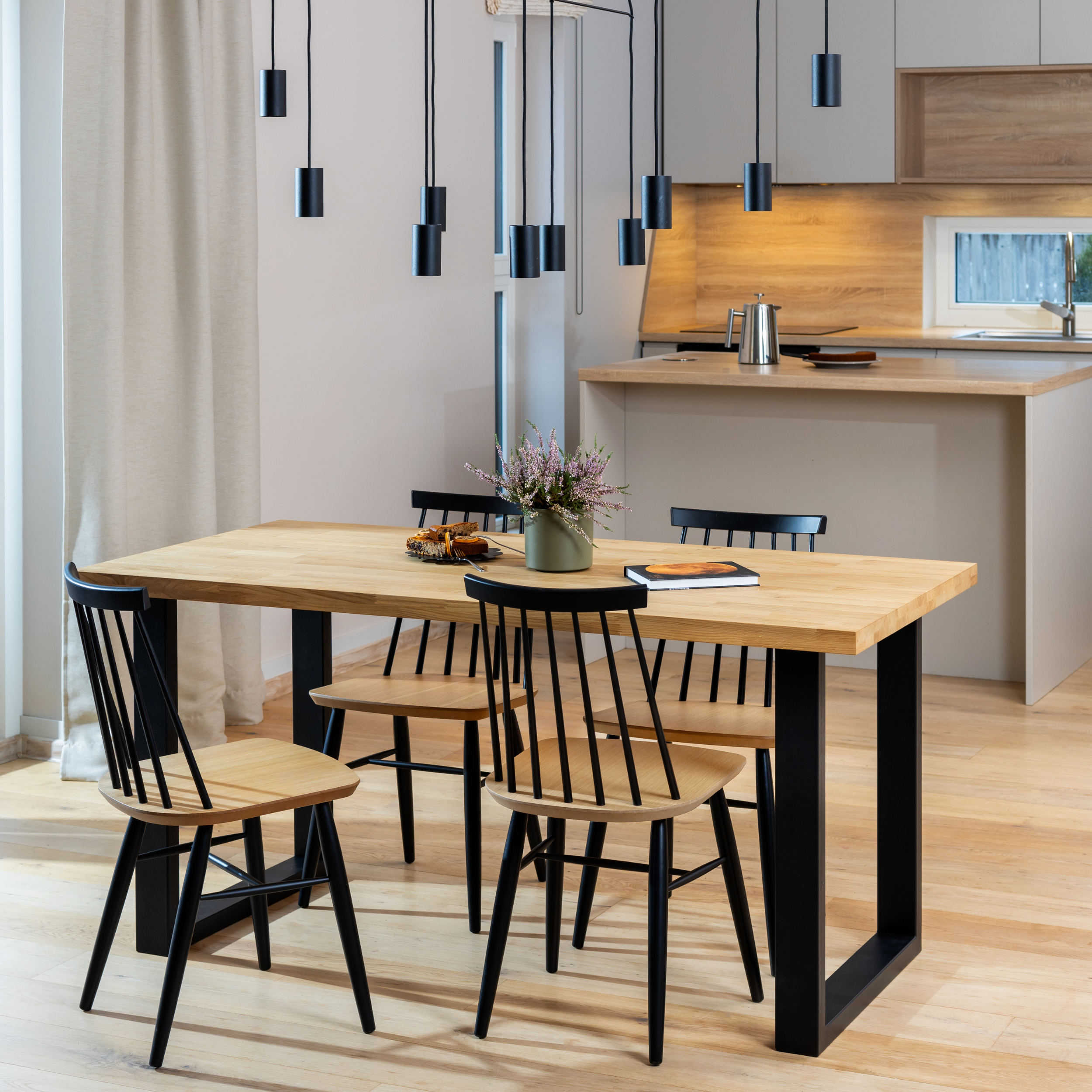
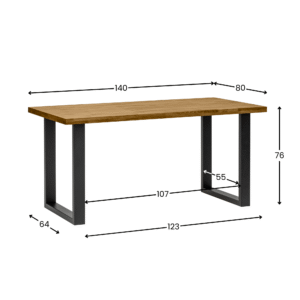
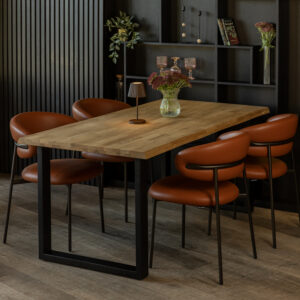
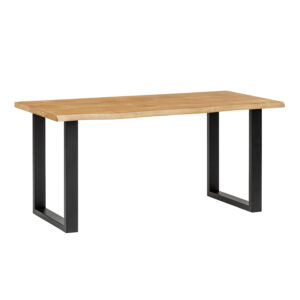
A rectangular table is the classic choice for long or narrow rooms. This shape typically accommodates the most diners and serves as a strong focal point. If you usually host four to six people, a table length of 140–180 cm is usually ideal. Riverbank offers a range of highly regarded oak dining tables that are durable enough for everything from Sunday roasts to daily remote work.
-
-
-40%
Select options This product has multiple variants. The options may be chosen on the product page
- Dining Tables
Dining Table LIIV
- Price range: 372.60€ through 399.60€
-
-
-
-
-
-
-40%
-
-
-40%
Select options This product has multiple variants. The options may be chosen on the product page
- Dining Tables
Dining Table MERI
- Price range: 372.60€ through 399.60€
-
-
-
-
-
-
-40%
Round and Square Solutions
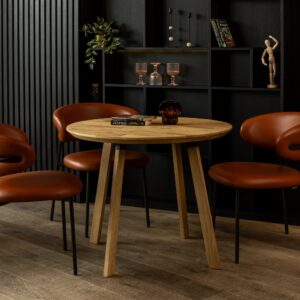
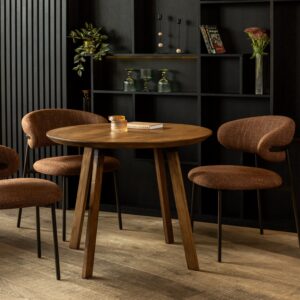
Round tables are perfect for smaller spaces or perfectly square rooms. Because they lack sharp corners, they make it easier to navigate the room—a major plus for families with small children. Circular tables also encourage better conversation since everyone faces one another. For an intimate, balanced atmosphere for two to four people, a square table is an excellent alternative.
-
-
-40%
Select options This product has multiple variants. The options may be chosen on the product page
- Dining Tables
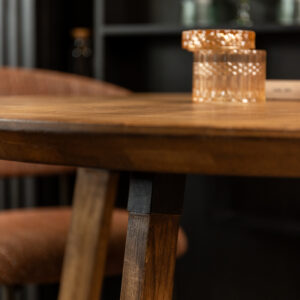
Dining Table PÄRL
- Original price was: 559.00€.335.40€Current price is: 335.40€.
-
-
-
-
-
-
-40%
Planning for Guests and Seating Comfort
For a comfortable dining experience, each person needs about 60 cm of horizontal space. If you prefer wider chairs or models with armrests, you’ll need to be even more generous with your measurements to avoid bumping elbows. Most dining tables are standardized at a height of 71–76 cm, providing plenty of legroom for standard chairs.
Typical size recommendations based on guest count:
- Four people: A rectangular table (120–140 cm long) or a round table (100–120 cm diameter).
- Six people: A rectangular table (180–200 cm long) or a round table (140–150 cm diameter).
- Eight people: A table length of at least 240 cm is recommended for comfort.
Quality Materials and Finishes: A Long-term Investment
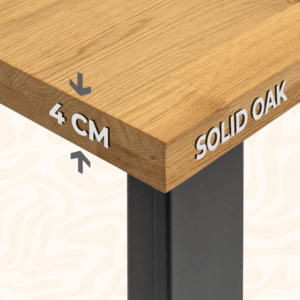
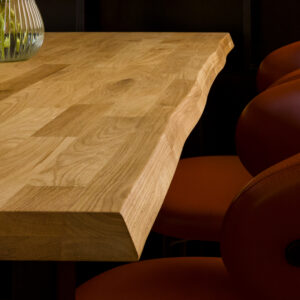
Choosing the right material is just as important as the size, as it determines how long the piece will last. Solid wood is a timeless investment that, with proper care, ages beautifully over decades. When weighing your options, it’s worth comparing the pros and cons of birch and oak dining tables. Oak is famous for its exceptional hardness and striking grain, while birch offers a lighter, more serene Scandinavian aesthetic.
Modern craftsmanship often utilizes glued laminated wood, which is more stable than a single solid slab when facing changes in temperature and humidity. The benefits of a glued laminated dining table include a tabletop that won’t warp or crack over time. These surfaces are also easy to sand down and refinish if you want to refresh them years later.
Before making your final choice, check out our detailed guide on choosing wood for a dining table to find the species that fits your lifestyle. Finally, consider the finish: the maintenance requirements for oiled vs. lacquered surfaces vary significantly. Oil highlights the natural warmth of the wood and is easy to spot-repair, while lacquer provides a more durable seal against spills.
The right dining table makes the heart of your home both functional and inviting. To make sure a table fits your room perfectly, try marking its dimensions on the floor with painter’s tape before you buy—this helps you visualize the flow of the room. For expert advice on custom solutions or wood panels, the team at Riverbank is happy to help at +372 509 9151.