



Are you searching for dimensionally stable timber for bespoke interior joinery or serial furniture production that won’t warp over time? Birch and oak glued laminated timber combines the timeless character of solid hardwood with engineered stability, virtually eliminating the risk of cupping, twisting, and cracking. Backed by more than a decade of manufacturing expertise, we produce precision-machined edge-glued panels engineered to your exact specifications.
What Is Glued Laminated Timber and Why Choose It Over Solid Slabs?
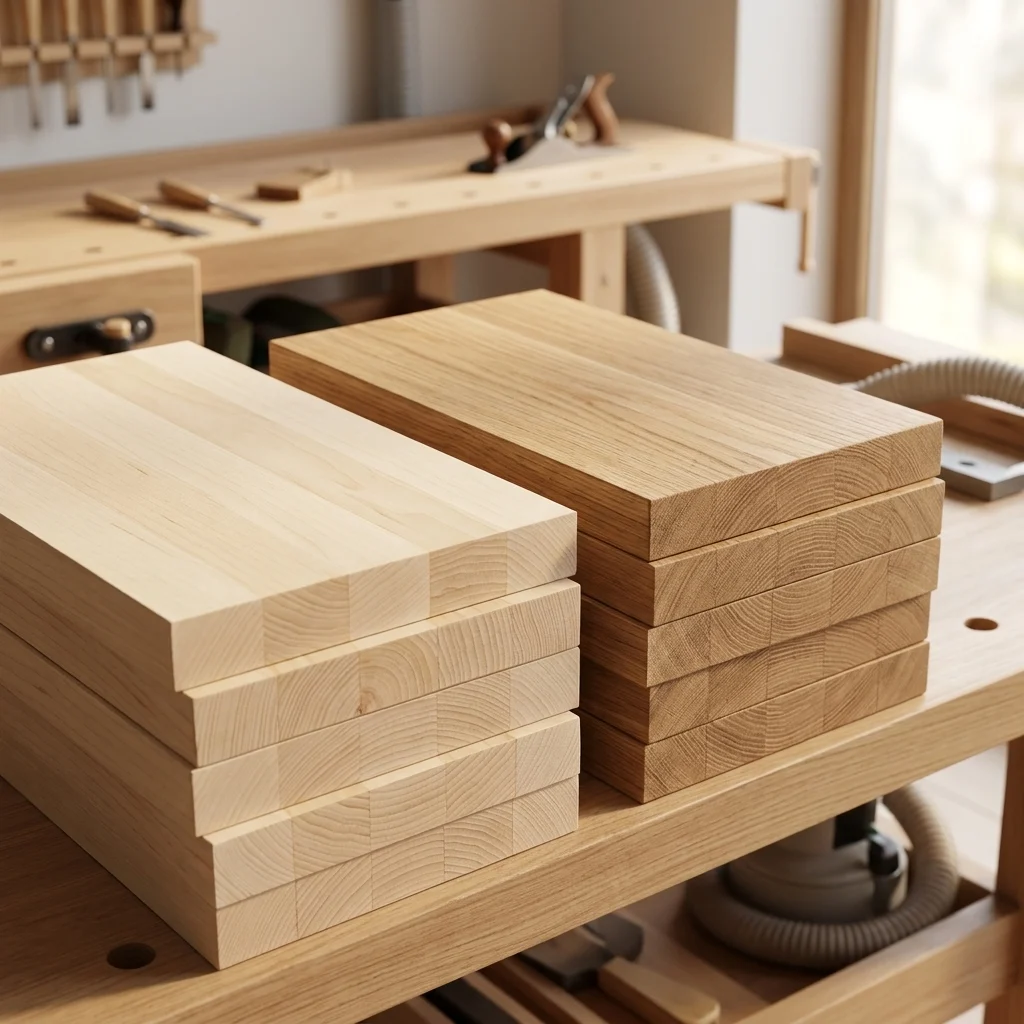
Glued laminated timber—frequently supplied as edge-glued panels—is an engineered wood product manufactured by bonding individual solid wood lamellas together under high pressure. Unlike wide, single-piece slabs sawn from a single log, alternating and joining multiple lamellas balances the wood’s natural internal stresses. This drastically reduces the risk of cupping, bowing, and splitting, giving furniture makers and interior fit-out contractors total confidence that components will hold their shape and structural integrity, even in environments with shifting ambient conditions.
We maintain rigorous process controls to achieve a precise target moisture content of 8% (±2%). This mirrors standard indoor equilibrium moisture levels (8–12%), ensuring our panels remain remarkably stable through seasonal heating cycles and humidity swings. For a closer look at our production process and technical capabilities, explore our guides on glued laminated timber manufacturing technologies and manufacturing furniture from glued laminated timber.
Our lamellas are bonded using industrial PVAc adhesives compliant with EN 204 (Durability Class D3 or D4), producing a clean, moisture-resistant glue line. To guarantee hassle-free machining and assembly, all panels are manufactured to strict tolerances:
- Thickness: −0/+1 mm
- Width: −0/+6 mm
- Length: up to +20 mm
Finger-Jointed vs. Full-Stave Panels
Selecting the right stave construction is a critical specification step for any cabinetry or architectural millwork project. While both variants offer exceptional structural performance, they serve distinct visual and structural roles:
- Finger-jointed panels: Assembled from shorter lamellas interlocked end-to-end with precision finger joints before edge gluing. By cutting out natural defects like knots, checks, and shakes prior to assembly, finger-jointed timber delivers remarkable yield efficiency and exceptionally uniform mechanical strength. This makes it the go-to choice for cabinet carcasses, internal frameworks, and structural members where maximum dimensional stability is paramount.
- Full-stave panels: Crafted from continuous, full-length lamellas extending seamlessly from end to end. Full-stave construction preserves the uninterrupted grain flow and natural elegance of classic solid timber. It is the premier choice for prominent visible surfaces, including executive desks, solid kitchen worktops, and high-end dining tables.
For detailed guidance on specifying the right construction for your project, consult our overview of glued laminated timber quality characteristics.
Hardwood Species: Birch vs. Oak
The ideal species for your build depends on expected mechanical loads, aesthetic preferences, and environmental conditions. Both birch and oak offer exceptional physical and mechanical qualities.
Birch Glued Laminated Timber
Birch is a hard, dense timber with an average density of 657.71 kg/m³. Its light, creamy palette and subtle grain figure make it an enduring staple of Scandinavian and contemporary minimalist design. Birch also provides outstanding impact resistance and elasticity, typically at a price point roughly 15–20% lower than oak.
Thanks to its clean finish and strength, birch glued laminated panels are particularly well-suited for children’s beds, cabinet doors, and structural furniture parts. Read more about its sustainable profile and child-safe qualities in our guides on the ecological advantages of birch glued laminated timber and the suitability of glued laminated timber for children’s beds.
Oak Glued Laminated Timber
European oak is a prestigious, exceptionally durable hardwood featuring a Janka hardness rating of roughly 1,360 lbf. Its high density and rich tannin content give it natural resilience against mechanical wear, surface abrasion, and fungal decay. Oak edge-glued panels are the benchmark for premium and heavy-use applications, such as commercial restaurant tables, statement coffee tables, stair treads, and hard-wearing kitchen countertops.
For a side-by-side performance evaluation, refer to our detailed comparison of oak vs. birch glued laminated timber durability.
Visual Grades and Surface Finishing
Our timber panels are visually graded according to standard industry criteria, making it easy to match the exact aesthetic profile of your project:
- Birch Panels:
- AA: Flawless, knot-free on both faces with uniform color; specified for the highest-end architectural surfaces.
- AB: Clear and uniform front face; reverse face permits occasional small pin knots and minor natural shade variations.
- BC: Sound, tight knots permitted on the face; allows pronounced color variation, heartwood, and natural grain character on the reverse.
- Oak Panels:
- AB: Clean, carefully matched face with consistent coloration; subtle natural variations and pin knots permitted on the reverse.
- Rustic (C): Authentic, expressive timber celebrating natural character, including sound knots, professionally filled knots, and rich tonal variations across both faces.
Machining and Surface Treatment
Finishing glued laminated panels requires an approach tailored to each timber’s unique chemistry. When working with oak, run moderate feed rates and pre-test finishes: oak’s natural tannins can react with certain water-borne sealers, resulting in unexpected discoloration. Birch, on the other hand, accepts stains, hardwax oils, and lacquers exceptionally well and finishes to a uniform sheen.
Always sand with the grain through progressive grits (typically P80 to P240). Pay special attention to end-grain surfaces, sealing them thoroughly with high-solids primers or edge sealers to prevent rapid moisture exchange through exposed vascular tubes. For detailed shop advice, see our dedicated articles on glued laminated timber finishing and processing and processing methods for oak and birch.
Standard Panel Thicknesses and Best Uses
Choosing the correct board thickness ensures the right balance of structural rigidity, load-bearing performance, and deflection resistance:
- 15–20 mm: Best for cabinet doors, drawer boxes, decorative wall panels, and light architectural cladding.
- 25–35 mm: The workhorse dimension for robust casework, open shelves, internal partitions, and structural bed frames.
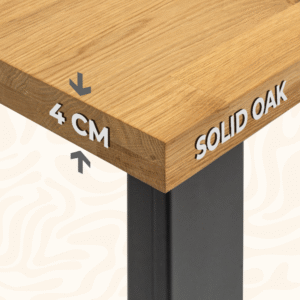
- 40–50 mm: Engineered for heavy structural loads, such as commercial tabletops, solid kitchen worktops, and self-supporting stair treads.
For a deeper look at sizing timber components, read our practical guide on how glued laminated timber thickness impacts durability and processing.
Discover selected examples from our product range:
-
-
Select options This product has multiple variants. The options may be chosen on the product page
- Wall panels
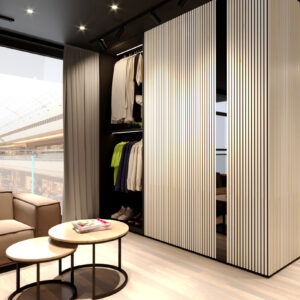
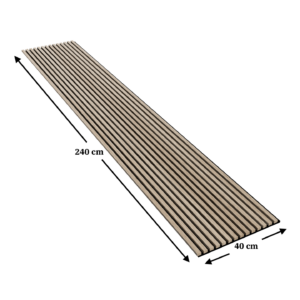
Acoustic wall panel – 18mm slats – 240×40 – natural solid birch
- Price range: 179.00€ through 305.00€
-
-
-
-
-
-
-
-
Select options This product has multiple variants. The options may be chosen on the product page
- Wall panels
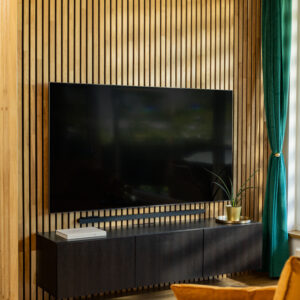
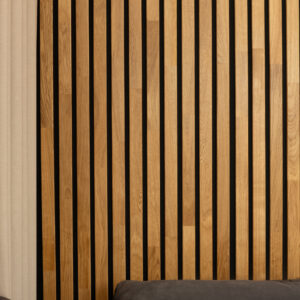
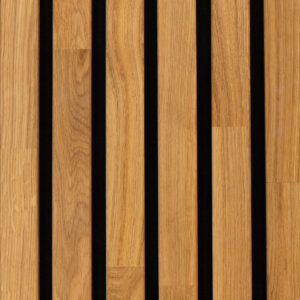
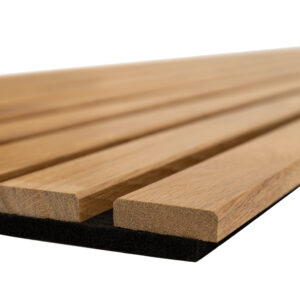
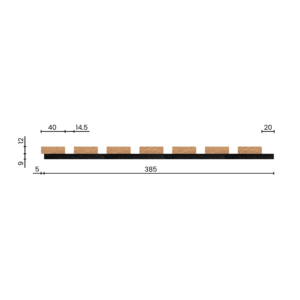
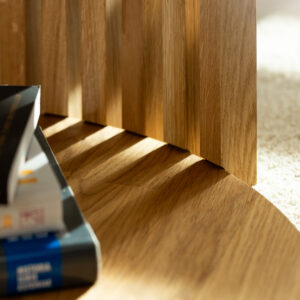
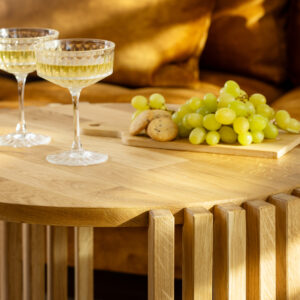
Acoustic wall panel – 40mm slats – 240×40 – natural oak
- Price range: 215.00€ through 365.00€
-
-
-
-
-
-
-
-
-40%
Select options This product has multiple variants. The options may be chosen on the product page
- Dining Tables
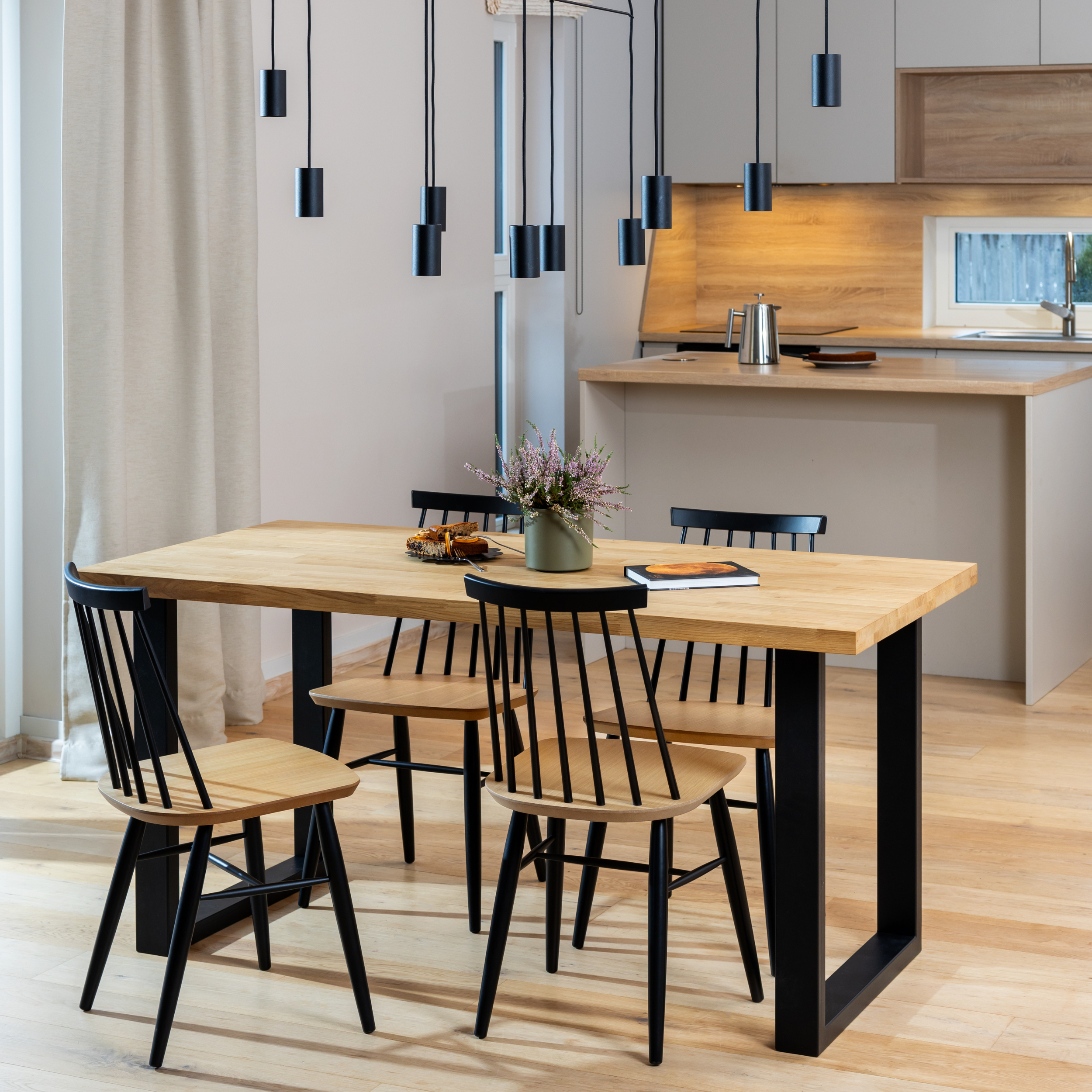
Dining Table LIIV
- Price range: 372.60€ through 399.60€
-
-
-
-
-
-
-40%
-
-
-40%
Select options This product has multiple variants. The options may be chosen on the product page
- Dining Tables
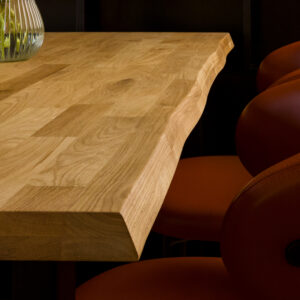
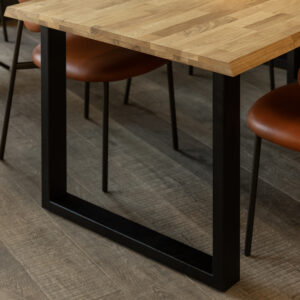
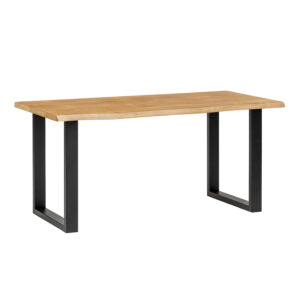
Dining Table MERI
- Price range: 372.60€ through 399.60€
-
-
-
-
-
-
-40%
-
-
-40%
Select options This product has multiple variants. The options may be chosen on the product page
- Dining Tables
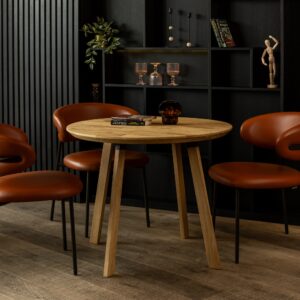
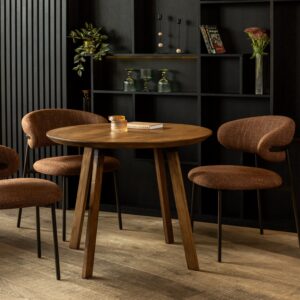
Dining Table PÄRL
- Original price was: 559.00€.335.40€Current price is: 335.40€.
-
-
-
-
-
-
-40%
B2B Ordering and Custom Manufacturing
Riverbank OÜ manufactures custom birch and oak edge-glued panels engineered to meet the demanding requirements of furniture makers, interior contractors, and joinery workshops. Our modern production setup and experienced team ensure tight tolerances, consistent grading, and reliable delivery schedules—whether you need a single custom run or ongoing batch deliveries.
Our maximum production dimensions are:
- Length: up to 4,000 mm
- Width: up to 1,300 mm
- Thickness: 15–50 mm
Selecting the right timber grade, stave pattern, and thickness is vital to ensuring your installation lasts a lifetime. Send your specifications, cut lists, or architectural drawings directly to our technical team by email, or call us at +372 509 9151 to discuss your project requirements and receive an itemized quote.