




When properly designed, a glulam structure can last for decades, even in demanding environments. This engineered timber offers significantly more stability than solid wood; however, achieving long-term performance requires a deep understanding of moisture levels and species selection.
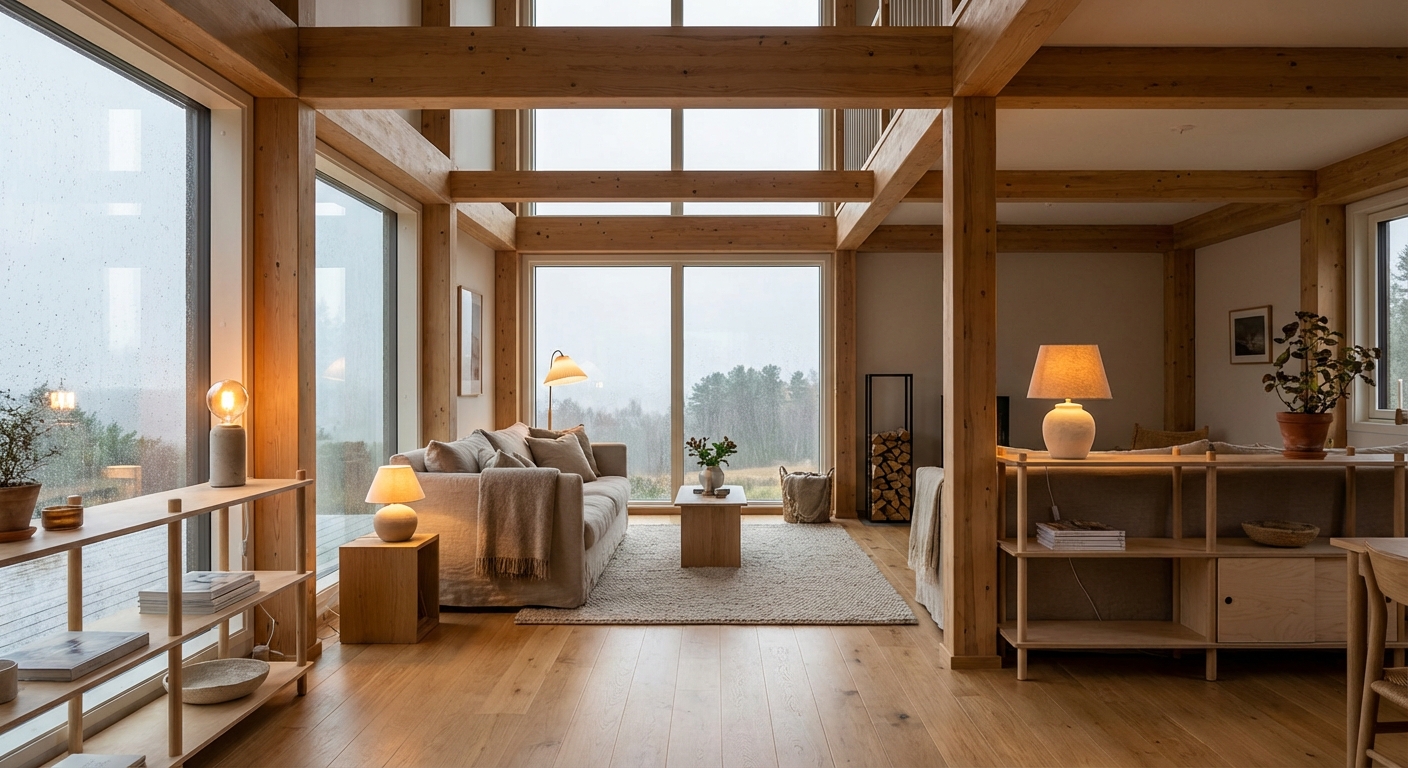
Load-Bearing Capacity and Structural Stability
Glued laminated timber, or *glulam*, is produced by bonding together kiln-dried laminates, a process that gives the material several distinct advantages over traditional solid-sawn lumber. Because these laminates are pre-sorted to remove major defects—such as large knots or fissures—the strength properties and quality classes of glulam are far more consistent and predictable than those of standard timber. The coefficient of variation for glulam’s modulus of elasticity is typically only 10%, which is equal to or lower than that of other high-performance wood products, ensuring high structural reliability.
Strength classes, ranging from GL24 to GL36, indicate the material’s characteristic bending strength in megapascals (MPa). Glulam is exceptionally competitive against steel in terms of its strength-to-weight ratio; for instance, glulam roof structures can be approximately 16.8% lighter than their steel counterparts. This reduced self-weight lowers foundation loads and simplifies both logistics and onsite assembly. Furthermore, glulam is significantly less prone to warping and twisting than standard lumber, allowing it to maintain its dimensional integrity even over long spans.
Moisture Resistance and Climatic Impact
A timber structure’s lifespan is primarily dictated by its exposure to environmental moisture and temperature. During glulam production, laminates are seasoned to an optimal moisture content—usually between 8% and 12%. This ensures the dimensional stability of the finished product and minimizes the risk of checking or cracking compared to green timber. Building codes categorize timber applications into three main service classes to determine material suitability:
- Service Class 1: Internal environments where the relative humidity exceeds 65% for only a few weeks per year. This is the ideal setting for furniture and acoustic wall panels, where the wood remains stable for decades.
- Service Class 2: Protected outdoor environments, such as structures under eaves, where the timber is shielded from direct precipitation and ground contact.
- Service Class 3: Fully exposed outdoor conditions. In these applications, glulam must be manufactured from naturally durable species or undergo deep pressure treatment. While moisture alone does not cause decay, standing water and high moisture content facilitate biological degradation.
-
-
Select options This product has multiple variants. The options may be chosen on the product page
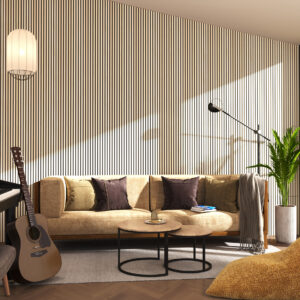
- Wall panels
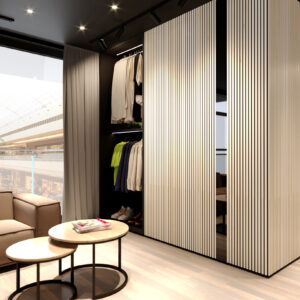
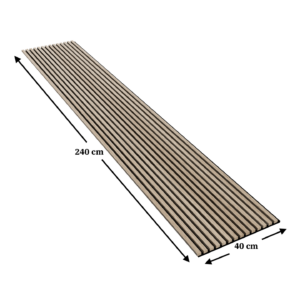
Acoustic wall panel – 18mm slats – 240×40 – natural solid birch
- Price range: 179.00€ through 305.00€
-
-
-
-
-
-
Oak and Birch: Durability in Interior and Exterior Use
Selecting the right wood species is fundamental to a structure’s longevity. The birch and oak glulam products in the Riverbank OÜ range offer specific technical advantages tailored to different applications. Oak is renowned in the construction industry for its high density and Janka hardness (1360 lbf). Thanks to its naturally high tannin content, oak possesses excellent rot resistance, making it the premier choice for lacquered wood countertops and high-traffic surfaces.
Birch, conversely, is a dense, high-strength hardwood with an average density of roughly 657 kg/m³. It is an exceptionally wear-resistant material perfectly suited for interior applications. The specific characteristics of making furniture from glulam are particularly evident in birch, which offers a clean Scandinavian aesthetic and excellent bending strength as a more cost-effective alternative to oak.
-
-
Select options This product has multiple variants. The options may be chosen on the product page
- Wall panels
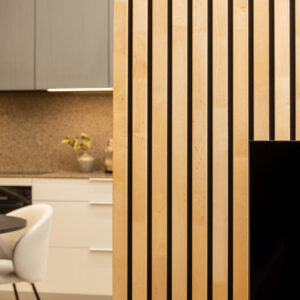
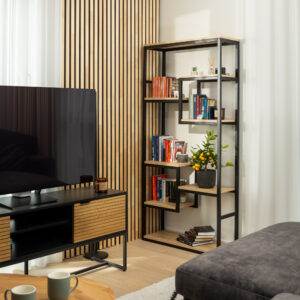
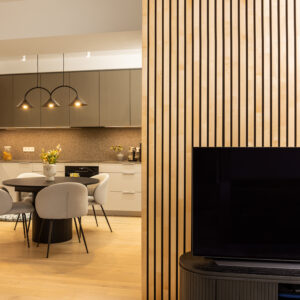
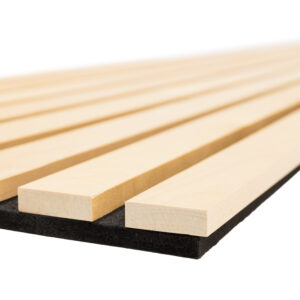
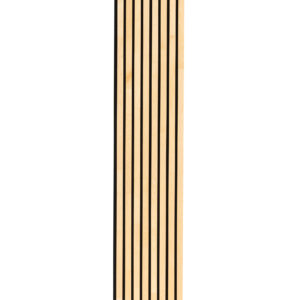
Acoustic wall panel – 35mm slats – 240×40 – natural birch
- Price range: 179.00€ through 305.00€
-
-
-
-
-
-
-
-
Select options This product has multiple variants. The options may be chosen on the product page
- Wall panels
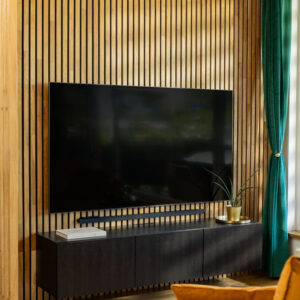
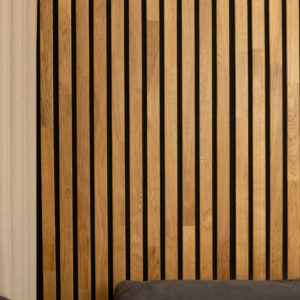
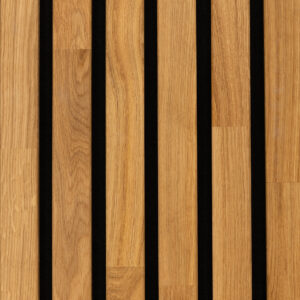
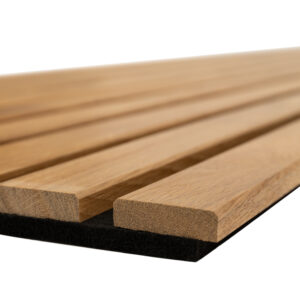
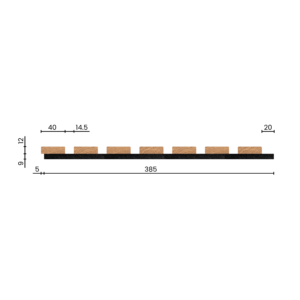
Acoustic wall panel – 40mm slats – 240×40 – natural oak
- Price range: 215.00€ through 365.00€
-
-
-
-
-
-
Design and Maintenance for Maximum Longevity
Even the highest-quality glulam requires thoughtful detailing. During the design phase, it is critical to avoid “water traps”—ensuring that moisture can always drain freely from the wood’s surface. In indoor environments where wood is exposed to splashing, the finish is vital. Oiled countertops require periodic maintenance; a simple water-drop test can determine if the protective layer remains hydrophobic or if it is time for a fresh coat of oil.
Regular maintenance of glulam can extend its service life by up to 50%. This is not merely about aesthetics; timely oiling or lacquering protects the wood from UV radiation and micro-fissures, which are the primary drivers of degradation in climates with fluctuating humidity. For kitchen countertops, we recommend inspecting the surface quarterly to prevent liquids from penetrating deep into the wood fibers.
-
-
Select options This product has multiple variants. The options may be chosen on the product page
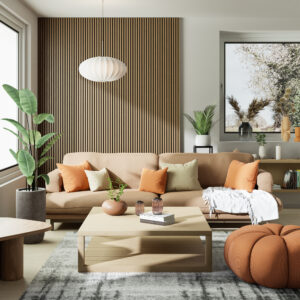
- Wall panels
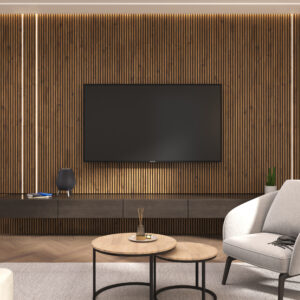
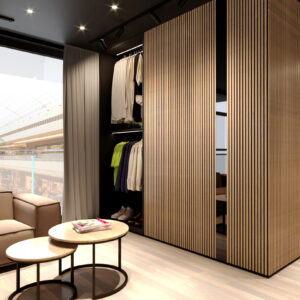
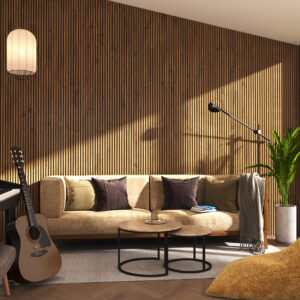
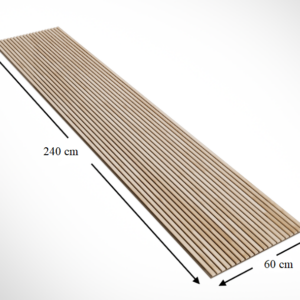
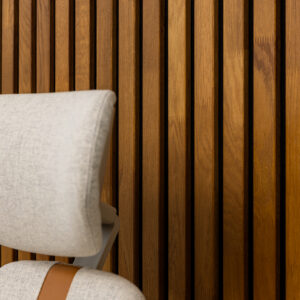
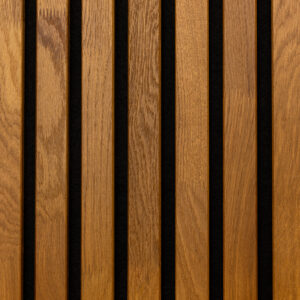
Acoustic wall panel – 18mm slats – 240×60 – dark solid oak
- Price range: 209.00€ through 365.00€
-
-
-
-
-
-
-
-
Select options This product has multiple variants. The options may be chosen on the product page
- Wall panels
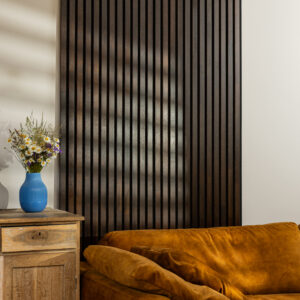
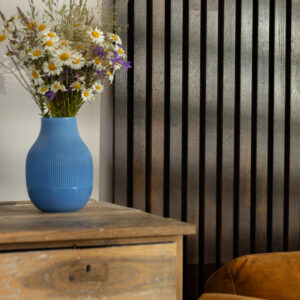
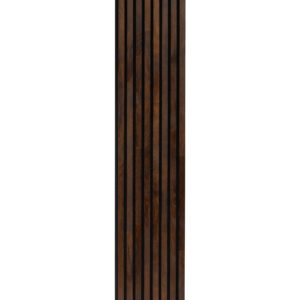
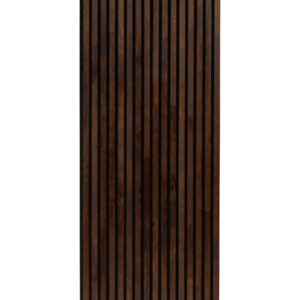
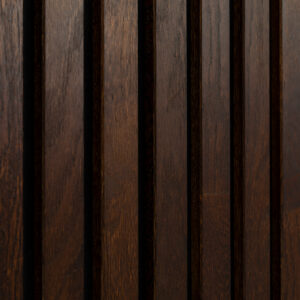
Acoustic wall panel – 35mm slats – 240×40 – choco solid wood
- Price range: 179.00€ through 305.00€
-
-
-
-
-
-
-
-
Select options This product has multiple variants. The options may be chosen on the product page
- Wall panels
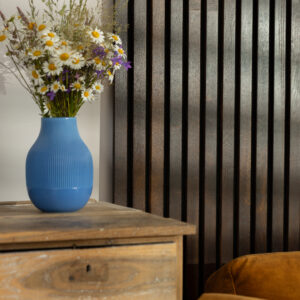
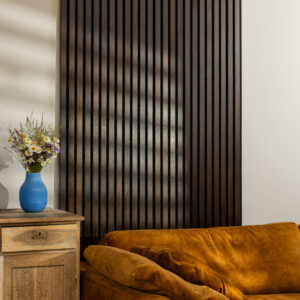
Acoustic wall panel – 35mm slats – 240×60 – choco solid oak
- Price range: 215.00€ through 365.00€
-
-
-
-
-
-
-
-
Select options This product has multiple variants. The options may be chosen on the product page
- Wall panels
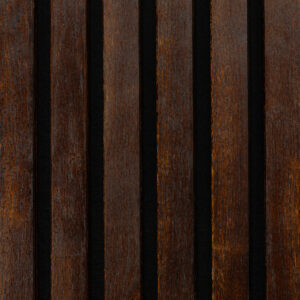
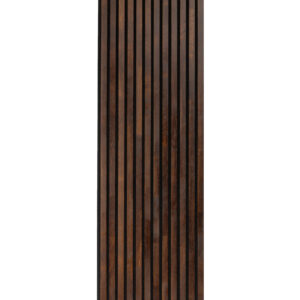
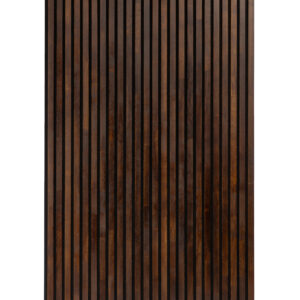
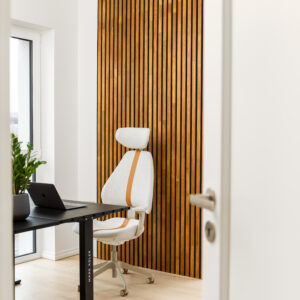
Acoustic wall panel – 35mm slats – 240×60 – dark solid oak
- Price range: 215.00€ through 365.00€
-
-
-
-
-
-
Fire Safety and Structural Integrity
Contrary to common misconceptions, glulam exhibits extremely predictable and safe fire performance. While steel structures can lose their load-bearing capacity rapidly under high heat and collapse without warning, glulam chars at a steady, measurable rate. This exterior char layer acts as an insulating barrier, protecting the internal load-bearing core from thermal damage.
The charring rate is typically calculated at approximately 0.7 mm per minute. This allows engineers to utilize fire-resistant glulam production technologies to design structures that maintain their integrity for 30, 60, or even 90 minutes without the need for additional fireproofing layers.
Riverbank OÜ provides a wide range of in-stock items available immediately, as well as custom solutions with lengths up to 4000 mm and thicknesses up to 50 mm. By selecting the correct glulam thickness and finish for your project, you are investing in a sustainable material that will retain its value and structural integrity for generations.
To discuss the technical specifications of your project or for advice on species selection, please contact our specialists at +372 509 9151.