




Are you looking for a coffee table that can survive kids’ playtime and piping hot mugs? The right material determines whether your living room’s centerpiece will look great for years or end up needing a replacement by next season. In this guide, we compare the durability of common materials to help you find a long-lasting, practical solution for your home.
Solid Wood: A Timeless Symbol of Durability and Warmth
Solid wood has long been a favorite for interior designers and homeowners alike, thanks to its natural beauty and exceptional longevity. Unlike cheaper alternatives that may chip or dent easily, solid wood is remarkably resilient and easy to restore. Even if the surface gets scratched, you can sand it down and refinish it with oil or lacquer, making the table look brand new again.
Among various wood species, oak is a true powerhouse, boasting a Janka hardness rating of approximately 1,360 lbf. Its dense grain provides excellent impact resistance and wear durability, allowing an oak table to remain in pristine condition for generations. Birch, on the other hand, offers a lighter, more uniform texture that is perfect for Scandinavian-inspired interiors. With an average density of 657.71 kg/m³, birch is durable enough for heavy daily use while remaining slightly more affordable than oak. If you want to dive into the technical details, check out our durability comparison of oak and birch glue-laminated wood.
Glass and Metal: For an Airy, Industrial Vibe
Glass surfaces are a popular choice for smaller living rooms because their transparency creates a sense of space without overwhelming the room. While tempered glass is both durable and heat-resistant, its primary downside is the constant upkeep. Fingerprints, dust, and water spots show up immediately, requiring daily cleaning to maintain a polished look.
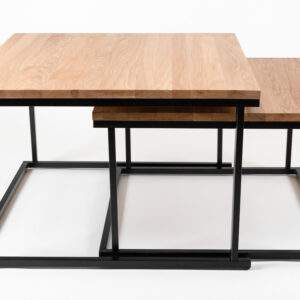
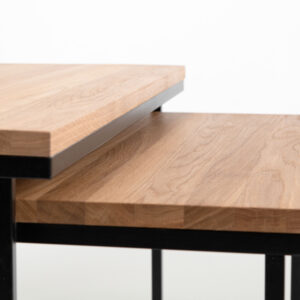
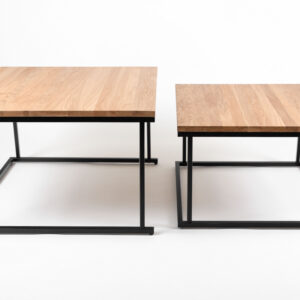
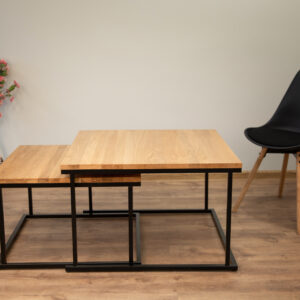
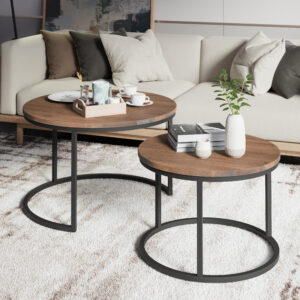
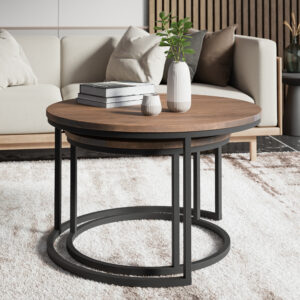
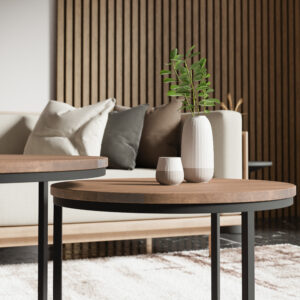
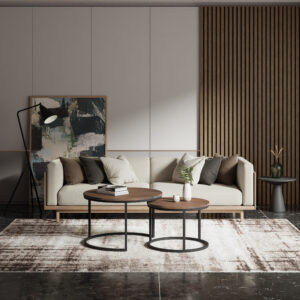
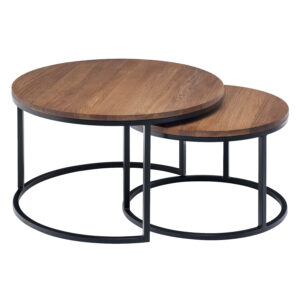
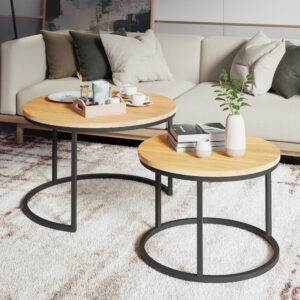
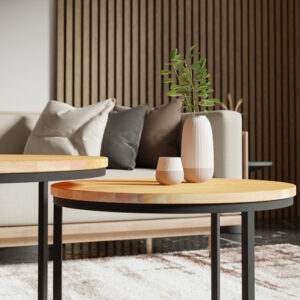
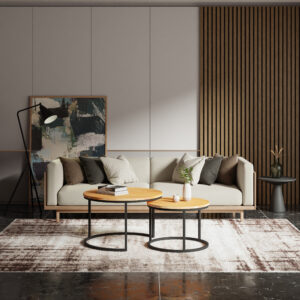
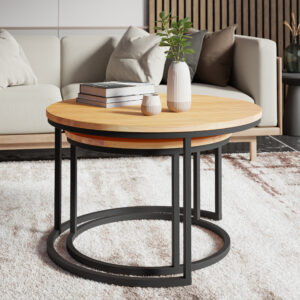
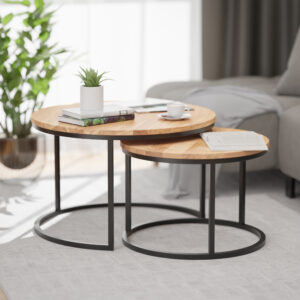
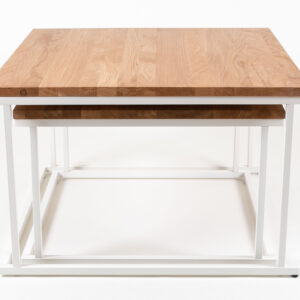
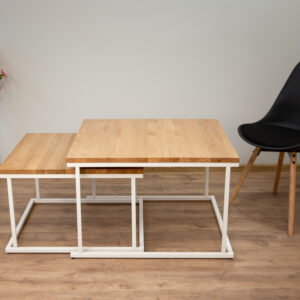
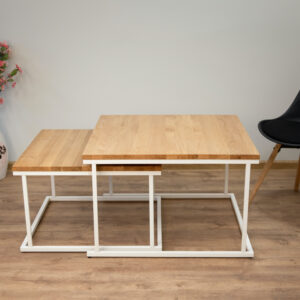
Metal tables, typically made of steel or aluminum, offer an industrial aesthetic and unmatched load-bearing capacity. They are virtually indestructible, though they can feel cold to the touch and sound a bit noisy in a home setting. Because of this, modern furniture design often pairs a metal frame with a solid wood top. This combination merges the stability of metal with the visual warmth of wood, fitting perfectly into a range of coffee tables that are designed to be both stylish and functional.
Luxurious Stone and Marble Require Extra Care
Marble and granite tabletops are prized for their unique natural patterns and high-end feel. Natural stone is heat-resistant and heavy, which ensures the table stays firmly in place. However, stone—particularly marble—is a porous material that absorbs liquids much faster than treated wood or glass.
Acidic juices, wine, or coffee can leave permanent stains if the surface isn’t regularly sealed with specialized products. Due to their price point and maintenance needs, stone tables are often viewed more as decorative investments than worry-free options for families with young children.
Glue-Laminated Wood: The Gold Standard for Stability
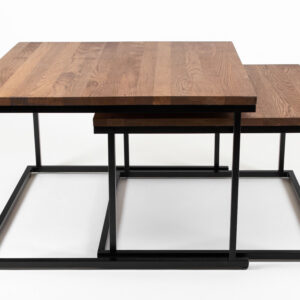
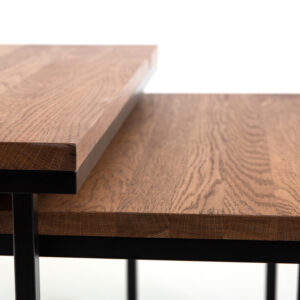
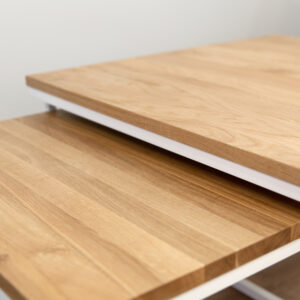
Many homeowners worry about the “movement” of solid wood—the way it expands and contracts due to humidity, which can lead to warping. The best technical solution for this is glue-laminated wood, which consists of wood lamellas joined together with high-strength adhesive. This construction eliminates internal tension and significantly reduces the risk of cracking while maintaining the authentic look and strength of solid wood.
A manufacturing process that meets high quality standards for glue-laminated wood ensures the table remains perfectly flat, even in rooms with underfloor heating where humidity levels fluctuate. This is especially vital for large surfaces, where material stability determines the product’s overall lifespan.
Comparison of Material Properties
When choosing a material, it helps to evaluate four key criteria to see how well it fits your lifestyle:
| Material | Durability | Maintenance Level | Price Range | Style |
|---|---|---|---|---|
| Solid Oak | Ultra-high | Medium (oiling) | Higher | Classic / Luxury |
| Solid Birch | High | Medium | Mid-range | Scandinavian / Modern |
| Glass | Medium | High (cleaning) | Medium | Minimalist |
| Metal | Ultra-high | Low | Variable | Industrial |
| Marble | High | High (sealing) | High | Elegant |
How to Maximize the Life of Your Furniture
Regardless of the material you choose, regular maintenance is the key to keeping furniture looking new for decades. For wood surfaces, regularly oiling the wood is essential, as it saturates the fibers and prevents dirt from soaking in. However, if you want maximum protection against liquids, a lacquered finish is the way to go. While lacquer is more stain-resistant, it is harder to repair at home compared to an oiled surface. You can find more information in our comparison of the differences between oiled vs lacquered tabletops.
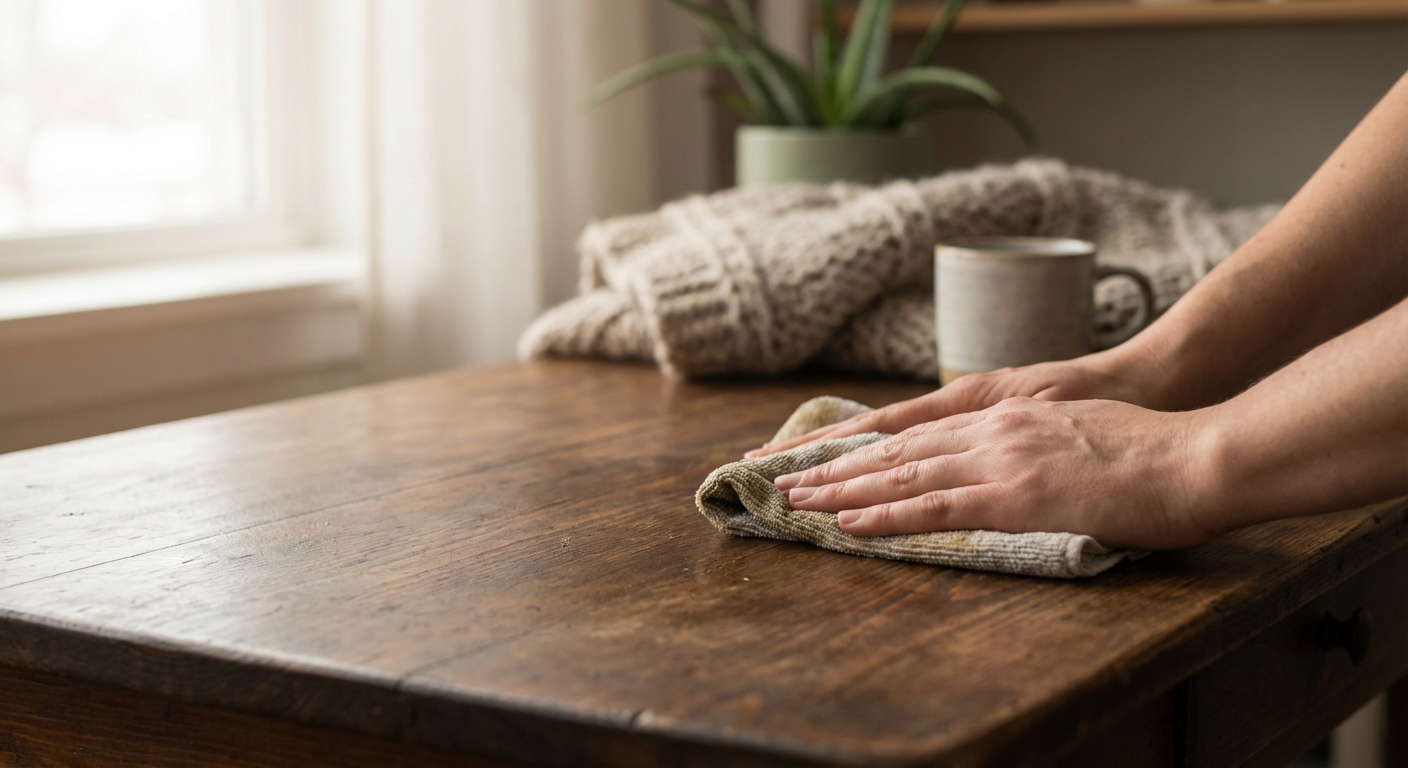
In your daily routine, follow these simple rules to protect your investment:
- Always use coasters for hot drinks and plates.
- Wipe up spills immediately with a soft microfiber cloth.
- Avoid harsh chemicals and excessive water when cleaning wood.
- Test the condition of your wood surface once a quarter using the “water drop test.”
For more specific tips on stain removal and preservation, see our comprehensive maintenance guide for solid wood coffee tables. When choosing a new centerpiece for your home, consider how the material will age. A high-quality oak or birch table isn’t just furniture—it’s a long-term investment in your home’s comfort. If you need help choosing the right size or wood species, feel free to contact us at +372 509 9151.