



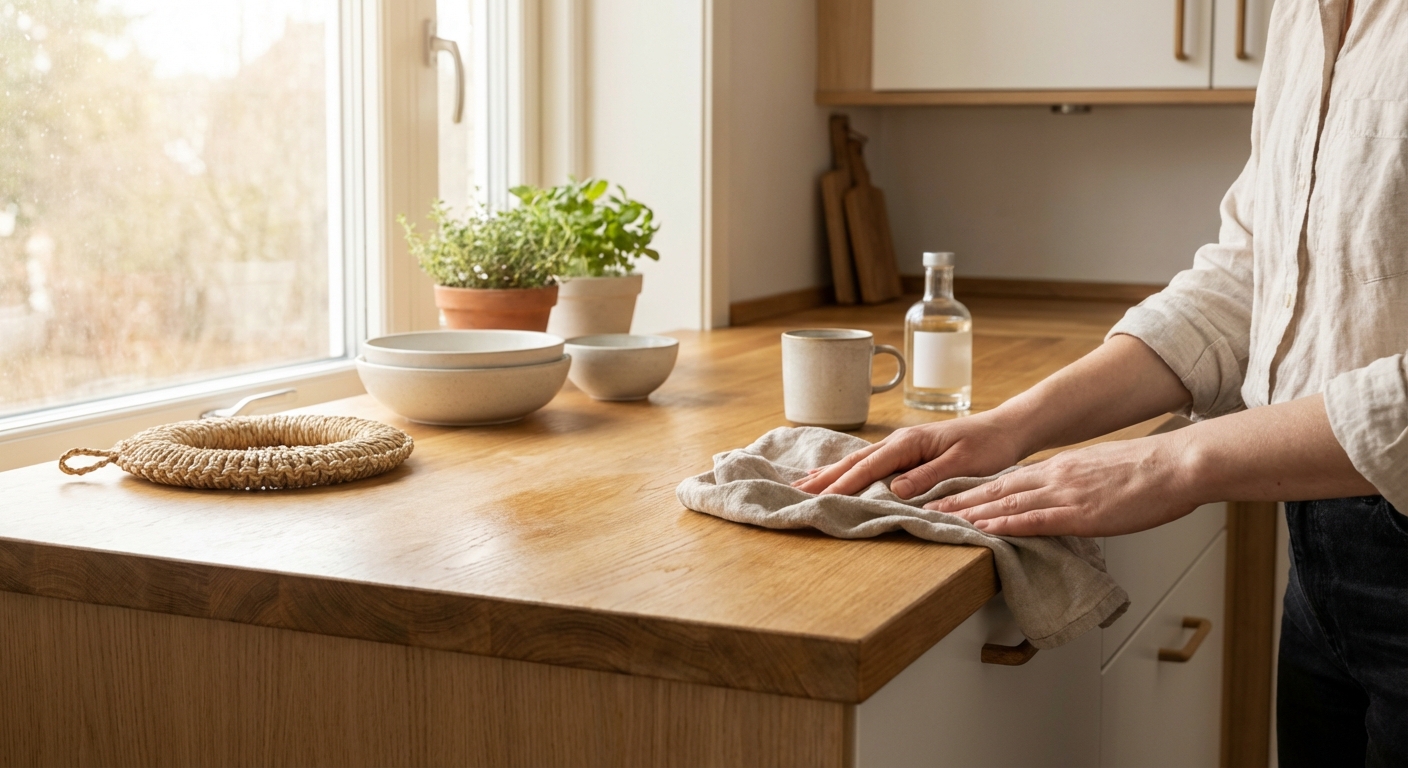
Did you know that with the right care, an oak kitchen worktop can last for generations? To prevent stains, cracks, and unsightly wear, it is vital to establish a consistent routine for protecting and nourishing this natural material.
Why Oak Needs Special Care in the Kitchen
Oak is world-renowned for its exceptional strength and durability. With a Janka hardness rating of approximately 1,360 lbf and an average density of 631.37 kg/m³, it is one of the most resilient materials for a busy kitchen. However, despite its toughness, oak is a “living” material that reacts to changes in indoor humidity and temperature.
Unlike synthetic alternatives, an oak kitchen worktop is naturally porous. Without an adequate protective seal, the wood will absorb liquids, leading to permanent stains—particularly from acidic substances like wine, vinegar, or lemon juice. Oak also contains natural tannins, which can react with metal objects in the presence of moisture to create dark spots. To improve stability and minimize natural warping, modern glulam production technologies are typically used, where cross-laminated staves reduce the risk of the wood shrinking or swelling.
Initial Oiling and Preparing a New Worktop
If you have purchased unfinished oak worktops, it is crucial to thoroughly saturate them before use. The experts at Riverbank recommend oiling a new surface at least three times in quick succession for optimal protection. This ensures the oil penetrates deep into the grain, preventing dirt from settling between the wood fibers.
Prepare the new surface by sanding it thoroughly with fine-grit sandpaper (between P220 and P320). This opens the pores to ensure the finish absorbs evenly. Next, apply a food-safe wood oil or hardwax oil along the grain using a soft cloth or brush. Let the oil soak in for 15–30 minutes, then wipe away any excess to prevent sticky patches from forming. Because oak requires deep-seated protection, allow each coat to dry for 12–24 hours before applying the next. A newly oiled wood worktop should be monitored closely for the first six weeks to ensure the protective layer has fully cured.
Daily Cleaning and Maintenance
Maintaining a wooden worktop doesn’t require expensive chemicals—just a little consistency. For daily cleaning, a damp microfiber cloth and warm water are usually enough. If needed, use a pH-neutral soap that won’t strip the oil finish. Avoid abrasive scrubbers and ammonia-based cleaners, as these can dry out the wood and damage the protective seal.
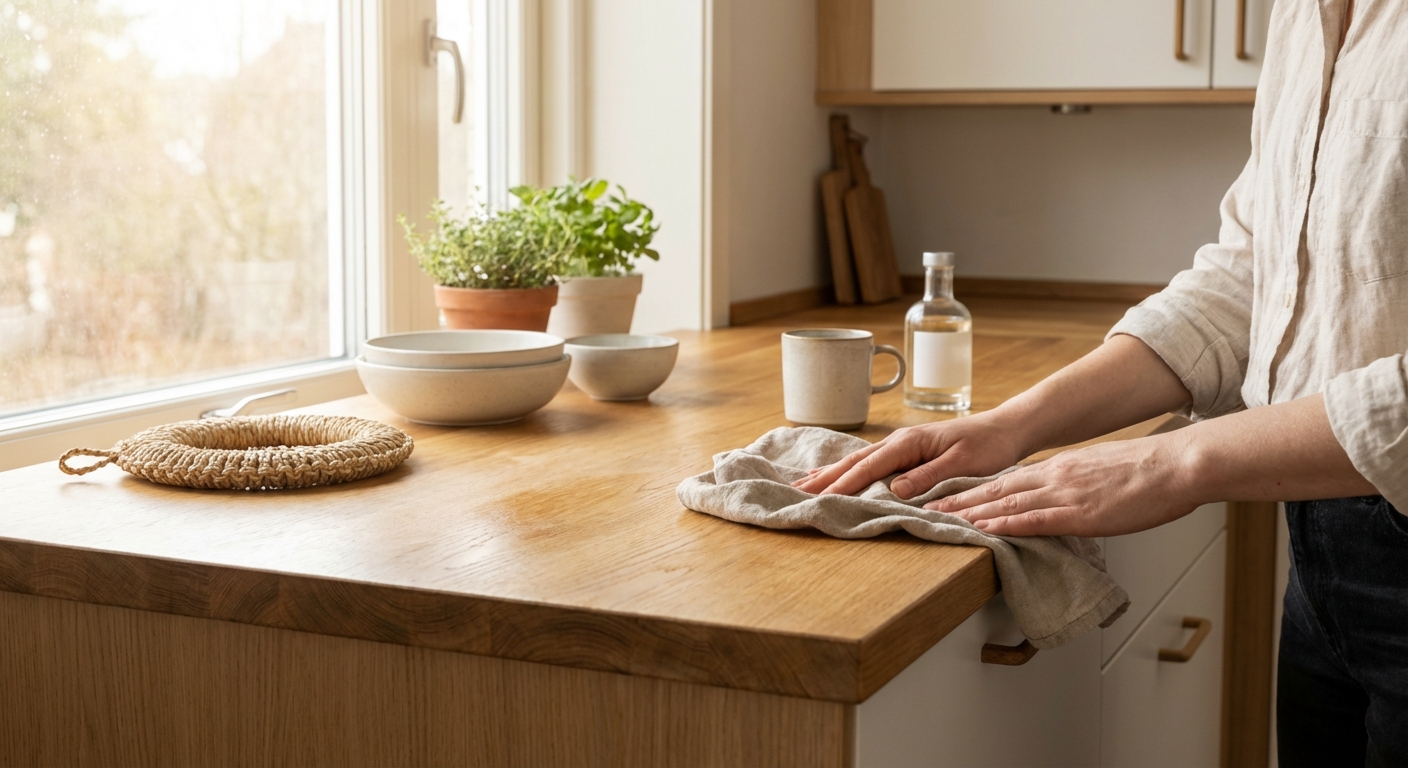
Any liquid spills, especially near the sink, should be wiped up immediately to stop moisture from seeping into the wood. Furthermore, while oak is incredibly durable, you should never place hot pots or pans directly on the surface. Always use a trivet, as wood can only withstand a certain amount of heat before sustaining damage.
-
-
-40%
Select options This product has multiple variants. The options may be chosen on the product page

- Dining Tables
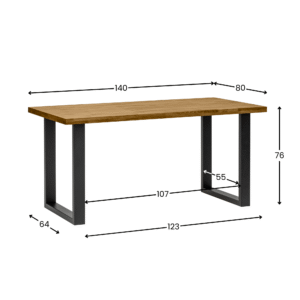
Dining Table LIIV
- Price range: 372.60€ through 399.60€
-
-

-
-
-
-
-40%
-
-
-40%
Select options This product has multiple variants. The options may be chosen on the product page

- Dining Tables
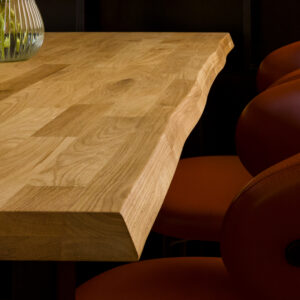
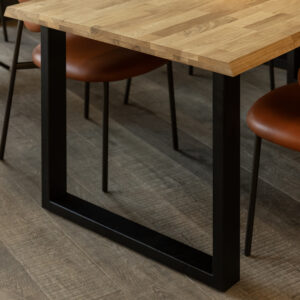
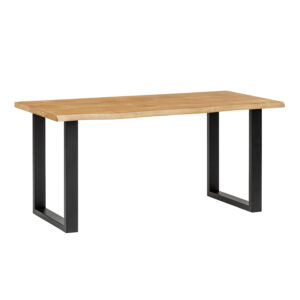
Dining Table MERI
- Price range: 372.60€ through 399.60€
-
-
-
-
-
-
-40%
-
-
-40%
Select options This product has multiple variants. The options may be chosen on the product page

- Dining Tables
Dining Table PÄRL
- Original price was: 559.00€.335.40€Current price is: 335.40€.
-
-

-
-
-
-
-40%
The Water Drop Test and Regular Upkeep
How can you tell when it’s time to re-oil? A simple water drop test is the most effective method: place a few drops of water on the surface and watch what happens. If the water beads on top, your protective seal is still intact. If the water starts to soak into the grain and leaves a dark mark, it is time to refresh the surface with a new coat of oil.
Generally, a kitchen surface in daily use should follow the importance of regular maintenance for glulam surfaces every 3 to 6 months. Maintenance oiling is a straightforward DIY task: clean the surface, lightly sand any worn areas, and apply a thin layer of maintenance oil. You can find more detailed steps and scheduling tips in our wooden worktop maintenance guide.
Repairing Minor Damage
One of the greatest benefits of solid wood over synthetic materials is that it can be fully restored. Unlike laminate, where a deep scratch often necessitates replacing the whole board, oak can be sanded down and renewed to its original luster.
Surface-level scratches and scuffs can be easily fixed by sanding the area with fine sandpaper and re-oiling it. For deeper nicks, you can use a wood filler made from a mix of sanding dust and wood glue, or specialized wood repair sticks. If moisture has caused deep staining, you may need to sand the entire surface back and apply a fresh finish, which will once again highlight the oak’s unique grain and character.
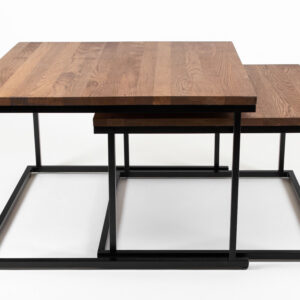
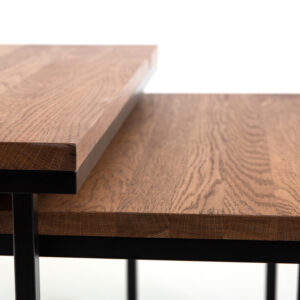
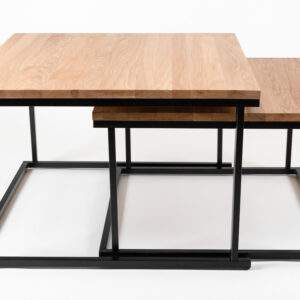
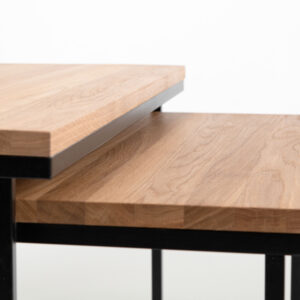
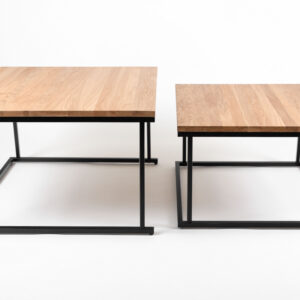
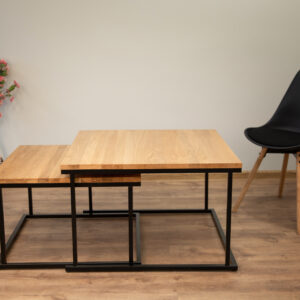









Oak furniture and worktops are a long-term investment that brings warmth, character, and value to any home. By following these simple cleaning and oiling practices, your kitchen will remain beautiful for decades. To learn more about how wood performs in a kitchen environment, read our detailed analysis of the pros and cons of wooden worktops to find the best solution for your home.